
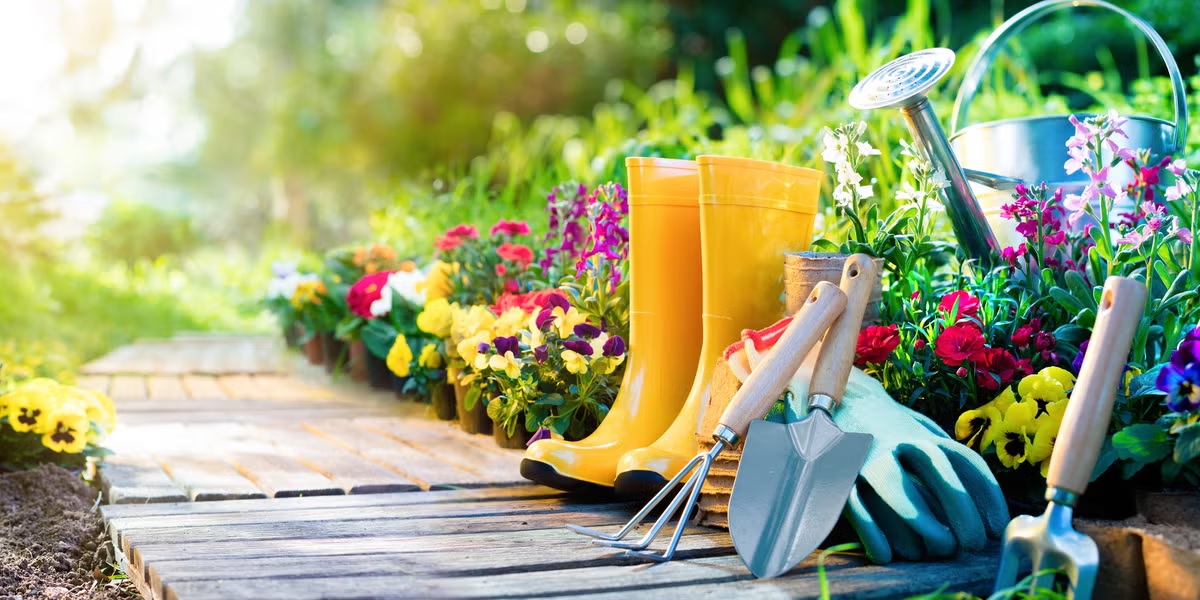
Gardening is a timeless pursuit, one that brings joy, relaxation, and a connection to nature. Whether you’re cultivating a tiny balcony garden or managing an expansive landscape, the practice of nurturing plants offers countless rewards. However, achieving a lush, thriving garden requires more than just planting a few seeds and waiting for growth to happen. It involves understanding the nuances of soil, climate, watering, and care. This guide aims to provide essential gardening tips to ensure your garden not only survives but flourishes, regardless of your experience level.
1. Know Your Soil: The Foundation of Success
Before you even think about planting, it’s critical to understand your soil. The health of your garden starts beneath the surface. Soil quality determines how well plants grow, as it directly impacts the availability of water and nutrients. A soil test is a simple yet invaluable step in your gardening journey. Tests are widely available through garden centers or online services and will provide essential information about your soil’s pH level, nutrient content, and texture.
Soil can be broadly categorized into three types: sandy, clay, and loamy. Each type has its own characteristics, and knowing which type you have will inform how you approach planting. Sandy soils drain quickly but may not retain nutrients, while clay soils hold moisture but can become compacted. Loamy soil, often considered ideal, is a balanced mixture that retains moisture and nutrients while still offering good drainage.
Once you’ve assessed your soil, amending it with organic matter like compost can improve its structure. Organic matter increases soil’s nutrient content and helps retain moisture, which is particularly useful during dry spells. Furthermore, adding compost will encourage beneficial microorganisms that promote plant health.
2. Choose the Right Plants for Your Climate
Selecting plants that are suited to your climate is perhaps one of the most important factors in a successful garden. Every region has its own growing conditions, including temperature, rainfall, and humidity. Understanding the USDA Plant Hardiness Zones or equivalent local guidelines can help you choose the plants that will thrive in your area.
While it’s tempting to pick exotic species, it’s often more rewarding and sustainable to focus on native plants. Native plants are adapted to the local climate and soil conditions, making them more resistant to pests and diseases. They also typically require less water and maintenance, which is a significant advantage in conserving resources. If you’re planting flowers, shrubs, or trees, opt for varieties that are known to thrive in your area. Researching perennials is also a wise choice since they come back year after year, providing enduring beauty with less effort.
3. Watering: The Art of Hydration
Watering might seem simple enough, but it’s an area where many gardeners go wrong. Overwatering and underwatering are both common mistakes. Too much water can drown plants, leading to root rot, while too little can cause them to dry out and wither. Finding the right balance is essential for healthy plant growth.
Water deeply, but less frequently. Shallow watering promotes shallow root growth, which can make plants more vulnerable to drought. When you water deeply, roots are encouraged to grow deeper into the soil, which helps plants withstand dry periods. Watering early in the morning is optimal because it allows plants to dry off before evening, reducing the risk of fungal diseases. Avoid watering in the hot afternoon sun, as much of the water will evaporate before it has a chance to reach the roots.
A great way to retain moisture and reduce the need for frequent watering is by mulching your garden. Organic mulches such as wood chips, straw, or grass clippings help retain moisture in the soil, suppress weeds, and regulate soil temperature. This is particularly beneficial in areas with hot summers, where soil moisture can quickly evaporate.
4. Pruning for Health and Beauty
Pruning is an essential practice that keeps your garden plants healthy and aesthetically pleasing. By regularly removing dead, damaged, or diseased branches, you ensure that the plant’s energy is directed toward healthy growth. Pruning also allows more sunlight and air circulation to reach the inner parts of the plant, reducing the risk of disease.
For flowering plants, deadheading—removing spent blooms—encourages the plant to produce more flowers. Many plants benefit from a rejuvenating prune in early spring or late fall, depending on their specific needs. Be sure to use sharp, clean tools to make precise cuts and avoid damaging the plant. Additionally, avoid over-pruning, as removing too much foliage can stress the plant and reduce its ability to photosynthesize effectively.
5. Organic Pest and Disease Management
Every garden faces the threat of pests and diseases, but many gardeners prefer to handle these challenges without resorting to harmful chemicals. Fortunately, there are plenty of organic solutions to combat common garden pests.
One of the most effective ways to manage pests is by attracting beneficial insects. Ladybugs, for example, are natural predators of aphids and other pests. Encouraging a variety of insects to inhabit your garden helps create a balanced ecosystem. Additionally, neem oil, insecticidal soap, and diatomaceous earth are organic options that can be used to control pests without harming beneficial creatures.
Diseases are often linked to overcrowding and poor air circulation. Ensure that plants are spaced adequately to allow for good airflow, which can help prevent fungal infections. If your plants do become diseased, promptly remove the affected parts to stop the spread. Regularly inspecting your garden for signs of pests and diseases is crucial for early intervention.
6. Feed Your Garden: Fertilization
Fertilization is an essential part of maintaining soil health and ensuring your plants receive the nutrients they need. However, it’s important not to over-fertilize, as this can harm your plants and even damage the surrounding environment. Organic fertilizers, such as compost, well-rotted manure, or fish emulsion, provide a slow-release source of nutrients, which is often better for plant health than synthetic fertilizers.
When using synthetic fertilizers, follow the instructions carefully and apply them during the appropriate times—typically in the spring when plants are beginning to grow actively. Different plants have different nutrient needs, so tailor your fertilizer choices to the plants you’re growing. For instance, vegetables often benefit from a higher level of nitrogen, while flowering plants may require more phosphorus.
7. Create a Garden that Provides Year-Round Interest
A beautiful garden doesn’t have to be restricted to the growing season. With thoughtful planning, you can create a garden that offers visual interest and enjoyment year-round. While spring and summer may steal the spotlight, fall and winter have their own charm.
Incorporating evergreens into your landscape design provides structure and greenery throughout the colder months. Ornamental grasses, such as switchgrass or blue fescue, add texture and movement to your garden even when they’re not in bloom. Winter-blooming plants like hellebores, camellias, and witch hazel can bring splashes of color during the bleakest months of the year.
Additionally, consider planting bulbs that will bloom in early spring, such as crocuses and daffodils. These early bloomers can provide a much-needed burst of color after the long winter months.
Conclusion
Gardening is an enriching pursuit that requires a balance of knowledge, patience, and care. By understanding your soil, selecting the right plants, watering efficiently, and providing proper care, you can create a vibrant and flourishing garden that is both beautiful and sustainable. Whether you’re a seasoned gardener or a newcomer, these tips will help you cultivate a garden that brings joy for years to come. Remember, a garden is not just a place to grow plants—it’s a sanctuary for peace, creativity, and connection with the natural world. With thoughtful attention and care, your garden can thrive and become a true extension of your personal space.