
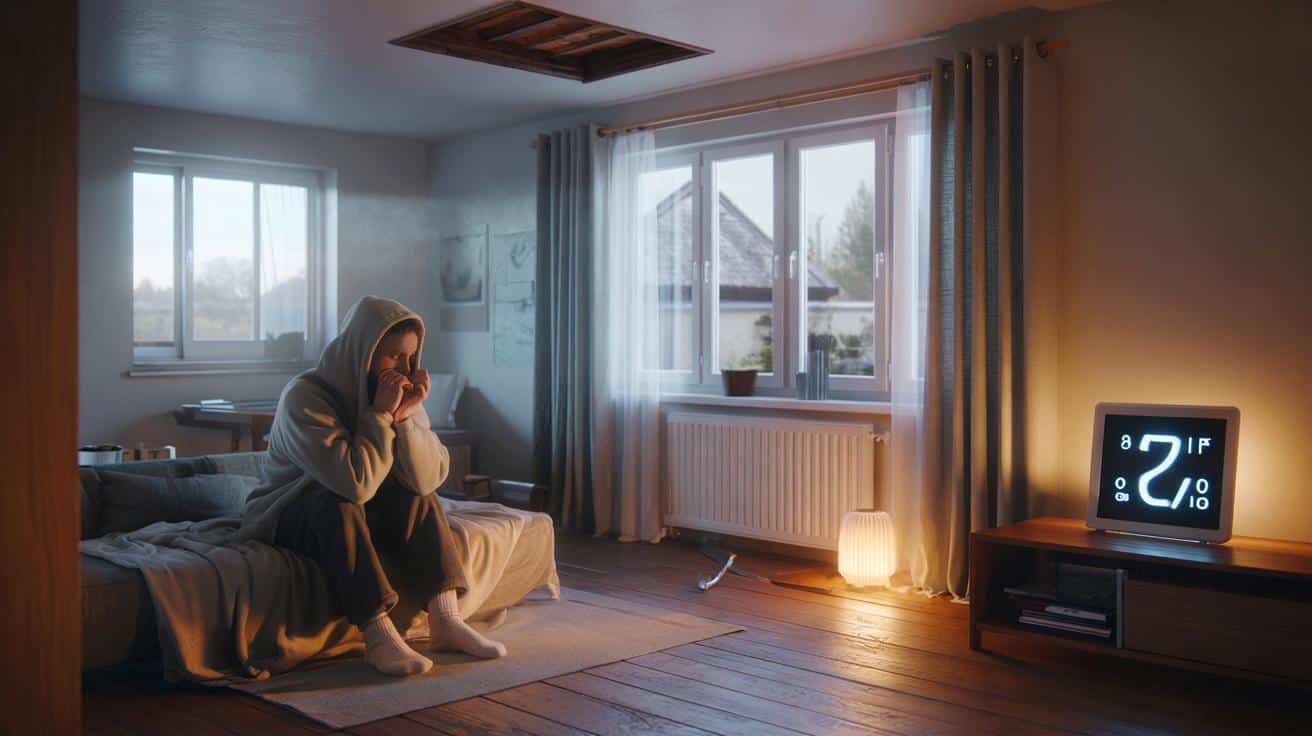
You notice it most on still mornings. One room feels comfortable, another stubbornly cold, even though the heating has been on for hours. People often respond by adjusting thermostats or adding layers, but these small rituals point to something deeper. Conversations around Double glazed windows in Stirling tend to surface when those patterns become impossible to ignore rather than when they first appear.
Heat rarely escapes evenly. It finds the weakest points in a building and leaves quietly, long before anyone thinks in technical terms. A draught by the sofa. Condensation at the same corner of a bedroom window every winter. A hallway that never quite warms up. These aren’t dramatic faults, but they are clues. They show how a home is actually performing, not how it was meant to.
Why Comfort Varies Room to Room
Most homes were built with assumptions that no longer hold. Heating systems have changed, lifestyles have shifted, and expectations around comfort are higher. Older properties in particular were designed to breathe more freely, losing heat quickly but also shedding moisture. When modern living meets traditional construction, tension develops.
Rooms with large glazed areas tend to feel the difference first. Sunlight can create warmth during the day, followed by rapid cooling after dark. Bedrooms exposed to prevailing winds often tell a different story from sheltered living spaces. Over time, occupants adapt unconsciously, avoiding certain areas or rearranging furniture to compensate.
These adjustments become part of daily life, which is why underlying issues can persist unnoticed for years. The house still functions. It just doesn’t perform evenly.
Condensation as a Quiet Indicator
Condensation is often treated as a nuisance rather than a signal. Wiping windows in the morning becomes routine. Yet recurring moisture on internal surfaces suggests that warm air is meeting cold barriers too easily.
This isn’t always about ventilation alone. When surfaces cool quickly, moisture in the air has nowhere else to go. Over time, this affects finishes, encourages mould growth, and alters how rooms are used. People open windows even in cold weather, trading warmth for freshness without realising why the imbalance exists.
Understanding where condensation forms, and when, provides valuable insight. It highlights areas where thermal performance breaks down rather than simply where moisture accumulates.

Energy Use Reflects Building Behaviour
Heating bills often prompt action, but the figures themselves rarely explain what’s happening. Two homes with similar layouts can consume very different amounts of energy depending on how heat moves through them.
When warmth escapes easily, systems work harder to compensate. Radiators cycle more frequently. Boilers run longer. The result is higher consumption without a corresponding improvement in comfort. This creates frustration because the effort feels disproportionate to the outcome.
The key is recognising that energy use is a symptom, not a cause. It reflects how efficiently a building retains what it generates. Addressing that balance requires attention to the envelope of the home rather than just the equipment inside it.
Adaptation Rather Than Perfection
There’s no single moment when a house becomes inefficient. It happens gradually, through material ageing, minor alterations, and changes in use. What worked decades ago may struggle under modern expectations of warmth and quiet.
The most effective responses tend to be incremental. Observing patterns. Understanding which rooms lose heat first. Noticing how conditions change with weather and season. These observations guide decisions that feel proportionate rather than reactive.
Comfort improves not through dramatic intervention, but through alignment between how a building behaves and how people live within it.
Homes don’t complain when heat escapes. They simply adjust, and so do the people inside them. The challenge lies in recognising those adjustments for what they are, signs that the building is quietly asking for attention.