
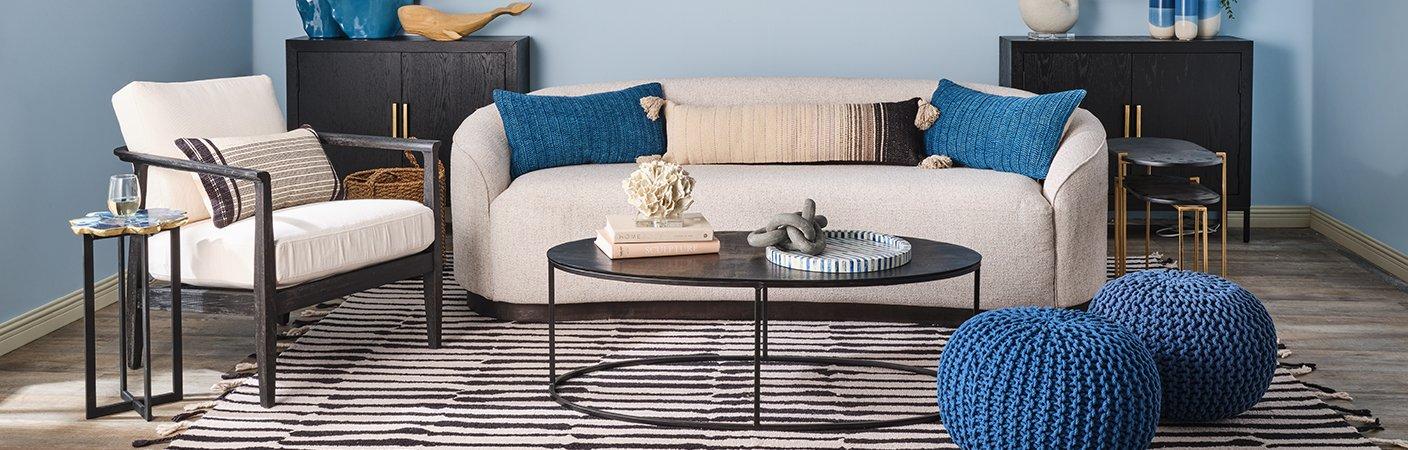
Furniture is much more than just functional pieces that fill the space in our homes. It represents comfort, style, and the very soul of a room. From the chairs that gather us around the dinner table to the sofas where we relax after a long day, furniture shapes how we experience and interact with our living environments. Thoughtfully chosen furniture not only enhances the aesthetic appeal of a room but also provides a sense of purpose, comfort, and practicality. Whether you’re furnishing a brand-new home or refreshing a well-lived-in space, the choices you make in furniture design and placement can transform your surroundings into something truly remarkable.
The Dual Role of Furniture: Form and Function
At the core of good furniture design is the delicate balance between form and function. Each piece in your home must fulfill a specific purpose, whether it’s a table that holds your morning coffee, a chair that offers a place to sit and relax, or a bed that supports your nightly rest. However, the true beauty of furniture lies in its ability to blend functionality with aesthetics.
For example, a well-designed sofa not only provides a place to sit but also acts as a statement piece in your living room. With the right choice of fabric, color, and design, a sofa can set the tone for the entire room. Similarly, a dining table is not just a surface for meals—it is a central gathering place for family and friends, a place where memories are made. Thus, while furniture serves practical purposes, it also serves as a reflection of personal taste and style.
When furnishing a room, it’s crucial to select pieces that not only serve their intended purpose but also enhance the overall ambiance. A living room, for instance, is typically a space for socializing and relaxation, so your furniture choices should prioritize comfort without sacrificing style. A sectional sofa with deep cushions invites long conversations and cozy evenings, while a coffee table in a contrasting material can add visual interest. In contrast, a home office may demand more functional furniture, such as a desk with sufficient storage and a comfortable chair that encourages productivity, yet it should still maintain an inviting aesthetic.
The Importance of Material Selection
One of the most significant decisions when choosing furniture is the selection of materials. The material you choose not only influences the durability and maintenance of the furniture but also plays a critical role in shaping the room’s overall look. From natural woods and luxurious fabrics to sleek metals and industrial elements, the material choices available today cater to every style preference and practical need.
Wood is a timeless material that remains a favorite for furniture design, known for its durability and warm, natural aesthetic. Different types of wood, such as oak, maple, walnut, or mahogany, offer distinct characteristics, ranging from light and airy tones to deep, rich hues. Solid wood furniture tends to be long-lasting and can withstand the wear and tear of daily life, making it an excellent investment for both style and function. Additionally, wood furniture can be refinished or repurposed, giving it an added layer of sustainability.
Metal furniture, on the other hand, offers a more modern or industrial feel, often combining sleek lines with functional design. Stainless steel, wrought iron, or brass elements are commonly used in contemporary furniture, offering a clean, polished look. Metal furniture can add an element of strength and sophistication to a space, though it may not always provide the warmth that wood pieces do.
Fabric and leather are common upholstery materials that contribute greatly to the overall comfort and visual appeal of a piece. Leather, with its luxurious feel and timeless elegance, exudes sophistication and can improve with age, developing a rich patina over time. Fabric furniture offers a wider range of patterns, colors, and textures, from plush velvets to durable linens. The fabric you choose should reflect both your personal taste and the practical demands of your space—consider factors like durability, maintenance, and comfort.
Furniture Styles: Personalizing Your Space
Furniture is one of the easiest ways to infuse personality into your home, and the style you choose helps define the room’s atmosphere. Whether you’re drawn to classic elegance, modern minimalism, or rustic charm, there are furniture styles to suit every taste.
Traditional furniture styles, such as those inspired by Georgian or Victorian design, tend to feature rich woods, ornate detailing, and luxurious fabrics. These pieces often evoke a sense of timeless elegance and are perfect for creating a formal and sophisticated ambiance. For a more contemporary look, modern and mid-century modern furniture often incorporates clean lines, functional design, and minimalist aesthetics. These pieces typically use materials such as metal, glass, and leather, creating a more streamlined, uncluttered environment.
Rustic and farmhouse styles have also surged in popularity in recent years, celebrating the charm of reclaimed wood, distressed finishes, and cozy, inviting furnishings. These pieces often emphasize comfort and a sense of nostalgia, making them ideal for creating a warm, homey atmosphere. Alternatively, industrial-style furniture—often made of raw wood and metal—has gained traction for its edgy, utilitarian feel. It blends practicality with style, making it a popular choice for loft apartments and open-concept homes.
For those who prefer a more eclectic approach, combining furniture from various styles can create a unique, personalized space. Mixing modern with vintage, or industrial with farmhouse, allows for a more individualized look that showcases your personal taste and creativity. The key is ensuring that the various pieces complement each other through thoughtful design, color coordination, and material selection.
Maximizing Space with Furniture Arrangement
The arrangement of furniture is just as important as the pieces themselves. A well-thought-out furniture layout can make a room feel more spacious, inviting, and functional. Whether you’re working with a large open-plan area or a smaller, more compact space, how you arrange your furniture can influence both the flow and the atmosphere of the room.
In larger rooms, consider creating separate areas for different functions. For instance, in a living room, you might arrange the sofa and chairs to encourage conversation while placing a media console or TV stand at a focal point. In a dining room, the table should be the centerpiece, with chairs positioned comfortably around it. In smaller rooms, opt for furniture pieces that are scaled to the size of the space—oversized sofas or bulky tables can overwhelm a room, while smaller, sleeker pieces can help the space feel more open and airy.
In open-concept spaces, furniture can be used to define different zones. For example, a large sectional sofa can act as a room divider, creating a comfortable seating area that separates the living room from a dining or kitchen space. Use rugs, lighting, and furniture placement to subtly demarcate areas within the room without relying on walls or partitions.
The Ever-Growing Influence of Sustainability in Furniture
Sustainability has become a major focus in many aspects of home design, and furniture is no exception. As awareness of environmental issues continues to grow, many homeowners are seeking furniture options that are both eco-friendly and ethically produced. Sustainable furniture is made from materials that have minimal environmental impact, such as reclaimed wood, bamboo, or recycled materials. Additionally, many companies are now focusing on creating furniture using sustainable practices, ensuring that their products are responsibly sourced and manufactured.
When choosing furniture with sustainability in mind, look for certifications like FSC (Forest Stewardship Council) for wood products or consider items that are made locally to reduce carbon footprints. Opting for timeless, high-quality furniture pieces that will last for many years also contributes to sustainability by reducing the need for frequent replacements.
Conclusion: Furniture as the Heart of the Home
Furniture plays an essential role in the design and functionality of a home, blending both aesthetic appeal and practicality. It not only supports our everyday activities but also reflects our individual tastes, values, and lifestyles. Whether you’re investing in luxurious leather sofas, repurposing vintage finds, or selecting eco-friendly pieces, the right furniture can transform a room into a haven of comfort and style. Ultimately, furniture is not merely a collection of items; it is the foundation of a home, creating spaces where we gather, relax, and live. Thoughtfully chosen, well-designed furniture can turn any house into a home, one that is uniquely yours.