
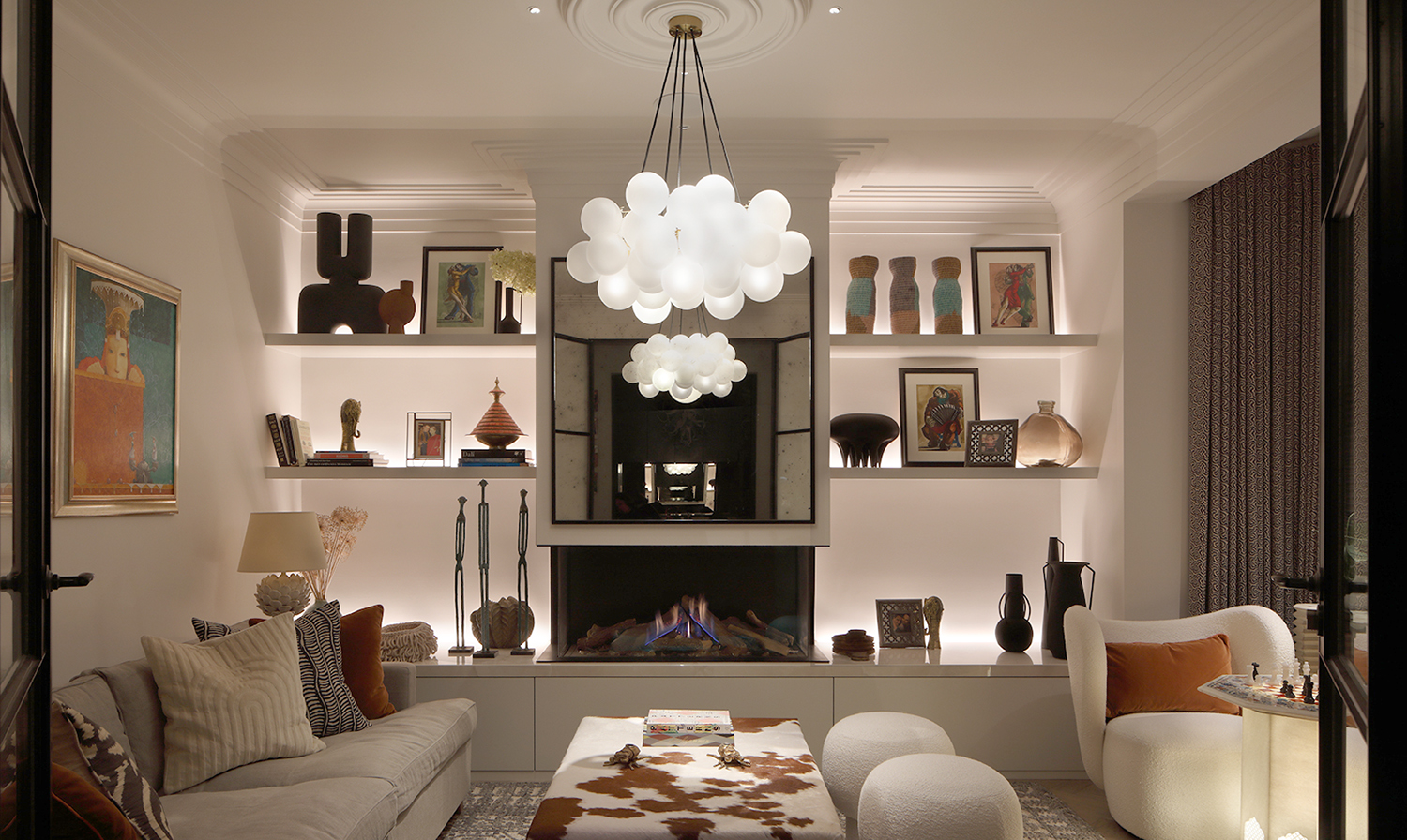
Interior design is frequently understood as a combination of furniture selection, color palettes, and structural layouts. However, the most transformative element in any interior space is invisible until it is activated. Lighting design has the power to alter human moods, make a cramped room feel expansive, and draw attention to architectural masterpieces.
The secret to professional interior illumination lies in a concept known as layering. Relying on a single, centralized light source in a room creates harsh shadows, causes eye strain, and leaves spaces feeling flat and uninviting. By strategically blending ambient, task, and accent lighting, you can create a dynamic, highly functional, and visually stunning environment in any room of your home.
The First Layer: Ambient Lighting for Overall Warmth
Ambient lighting, also referred to as general lighting, serves as the foundation of your entire illumination plan. It functions as the substitute for natural daylight, providing a uniform level of light across an entire room so that occupants can navigate the space safely and comfortably.
Primary Sources of Ambient Light
To establish a solid ambient layer, designers rely on fixtures that distribute light broadly and evenly. Common sources include:
-
Recessed Can Lights: Installed directly into the ceiling, these fixtures offer a clean, streamlined look while casting a downward cone of light.
-
Flush Mount and Semi-Flush Mount Fixtures: These central ceiling lights are ideal for rooms with lower ceilings, dispersing light outward across the room.
-
Chandeliers and Large Pendants: Beyond providing light, these fixtures serve as a visual centerpiece, adding character and style to living areas and dining rooms.
The Role of Natural Light
An effective ambient lighting strategy always considers the presence of natural daylight. Windows, skylights, and glass doors act as the ultimate ambient light sources during the day. Artificial ambient lighting should be designed to complement this natural light, filling in dark corners and taking over completely once the sun sets.
The Second Layer: Task Lighting for Function and Focus
While ambient lighting handles general visibility, it is rarely bright enough to support detailed activities. Task lighting delivers concentrated, directed illumination exactly where specific tasks are performed, such as reading, cooking, grooming, or working.
Enhancing Productivity and Reducing Strain
Proper task lighting is essential for preventing physical discomfort. When you try to read a book or chop vegetables under general ambient lighting alone, your body often blocks the light source, casting a shadow over your work area. Task lighting eliminates this issue by positioning a focused beam of light between your eyes and the working surface.
Common Task Light Applications
-
Under-Cabinet LED Strips: In a kitchen, these are mounted underneath the upper cabinets to illuminate countertops, making food preparation safer and more precise.
-
Desk Lamps with Adjustable Necks: For home offices, an adjustable desk lamp allows you to direct light precisely onto documents or keyboards without causing glare on computer screens.
-
Vanity Sconces: In bathrooms, mounting sconces on either side of the mirror at eye level provides even illumination across the face, eliminating the harsh downward shadows caused by overhead ceiling lights during grooming or makeup application.
The Third Layer: Accent Lighting for Drama and Artistry
The final layer of lighting design is purely aesthetic. Accent lighting is used to add depth, dimension, and drama to a space by drawing the eye toward specific points of interest. It converts a purely functional room into a visually engaging environment.
Creating Visual Hierarchy
As a general rule of thumb, effective accent lighting needs to be at least three times brighter than the surrounding ambient light layer. This stark contrast captures human attention and establishes a clear visual hierarchy within the room, signaling to the brain what features are most important.
Techniques for Creative Accentuation
-
Track Lighting and Directional Spotlights: These are ideal for illuminating framed artwork, gallery walls, or unique architectural textures like a brick or stone accent wall.
-
Picture Lights: Mounted directly above a frame, these dedicated fixtures cast a soft, elegant glow over paintings and photographs, mimicking a museum atmosphere.
-
Cove and Toe-Kick Lighting: Installing LED light strips inside ceiling coves or underneath base cabinets creates a soft floating effect, adding a futuristic and luxurious feel to hallways, kitchens, and bedrooms.
Mastering the Technical Nuances: Temperature and Control
Layering your light fixtures is only half the battle. To ensure the three layers work together harmoniously, you must pay close attention to two critical technical specifications: color temperature and dimming controls.
Understanding Color Temperature (Kelvin)
Light bulbs emit different color temperatures, which are measured on the Kelvin scale. Mixing vastly different color temperatures in the same room can create a jarring, uncomfortable environment.
-
2700K to 3000K (Warm White): This range mimics the cozy glow of traditional incandescent bulbs. It is best suited for living rooms, bedrooms, and dining spaces where relaxation is the primary goal.
-
3500K to 4100K (Cool White): This range delivers a crisp, clean light that enhances alertness. It is ideal for kitchens, home offices, and utility rooms where clarity and precision are required.
The Power of Dimmers and Smart Controls
The ultimate key to successful lighting design is flexibility. A room that requires bright, functional task lighting at noon may require soft, relaxing ambient light at night. Installing dimmer switches for each individual layer allows you to alter the mood of a room instantly. Smart home lighting systems take this a step step further, allowing you to program custom scenes that adjust all three layers simultaneously with a single command.
Frequently Asked Questions
What is the difference between a lumen and a watt when choosing bulbs?
A watt measures the amount of electrical energy a bulb consumes, whereas a lumen measures the actual amount of visible light the bulb emits. With modern energy-efficient LED technology, bulbs use far fewer watts to produce the same amount of brightness as old incandescent bulbs. When designing your lighting layers, look at the lumen output to determine brightness rather than relying on the wattage.
How do I properly layer lighting in a long, dark hallway?
Hallways often lack natural light and can feel tunnel-like. To fix this, use a combination of ambient and accent lighting. Install multiple semi-flush ceiling mounts or recessed cans along the length of the ceiling for safety. Then, add wall sconces or directional track lights to illuminate artwork or architectural trim along the walls, breaking up the long expanse and adding visual interest.
Why does my kitchen lighting feel clinical and uninviting?
If a kitchen feels clinical, it is usually because the lighting relies too heavily on high-kelvin cool white bulbs without any dimming options, or because it lacks a warm ambient layer. To soften the space, introduce under-cabinet and over-island pendant lighting with warm white bulbs. Ensure these secondary layers are on separate switches so you can turn off the bright overhead task lights when entertaining.
Can I achieve layered lighting in a rental property without rewiring?
Yes, you can easily layer light without altering electrical lines. Utilize plug-in floor lamps and table lamps with various shade styles to manage ambient and task light. For accent lighting, use battery-operated, remote-controlled LED puck lights underneath cabinets, or use plug-in track lighting that can be mounted to walls with removable adhesive strips.
How high above a dining room table should a pendant light hang?
As a standard design rule, the bottom of a chandelier or pendant light should hang roughly thirty to thirty-six inches above the surface of your dining room table, assuming an eight-foot ceiling height. If your ceiling is higher, you can raise the fixture three inches for each additional foot of ceiling height to maintain balanced visual proportions.
What is CRI and why does it matter for interior lighting?
CRI stands for Color Rendering Index, and it measures how accurately a light source reveals the true colors of objects compared to natural sunlight. The scale runs from zero to one hundred. For residential spaces, always choose bulbs with a CRI of ninety or higher. Low CRI bulbs can make vibrant paint colors, fabrics, and food look dull, grey, or artificially tinted.
How do I avoid glare on my television screen when planning a living room layout?
To prevent distracting screen reflections, avoid placing ambient ceiling fixtures or strong accent lights directly opposite the television screen. Instead, utilize bias lighting, which involves mounting a soft LED light strip directly to the back of the television frame. This illuminates the wall behind the screen, reducing eye strain in dark rooms without casting direct light onto the display panel.