
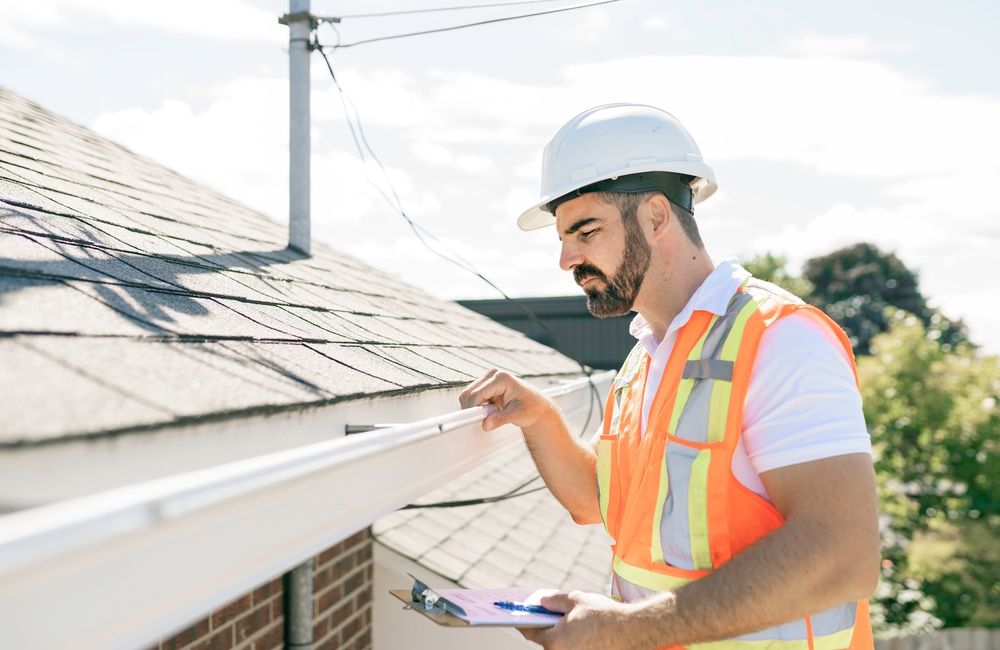
Homeownership is a journey filled with routine maintenance, unexpected repairs, and the occasional desire to upgrade your living space. For many, the temptation to pick up a hammer and tackle these projects independently is strong. The rise of online tutorials has made do-it-yourself renovations look deceptively simple. However, there is a vast difference between painting a bedroom and altering the structural integrity of your home.
Attempting complex home improvement projects without the proper expertise can lead to disastrous results, including structural failure, code violations, decreased property value, and severe safety hazards. Recognizing your limits as a homeowner is crucial for preserving both your sanity and your financial investment.
Here are seven critical warning signs that indicate it is time to put down the toolkit and hire a licensed professional contractor.
1. The Project Requires Structural Alterations
One of the most dangerous mistakes a homeowner can make is misjudging the load-bearing status of a wall. The open-concept layout is highly desirable, but achieving it often requires removing walls that hold up the weight of your roof or the floor above.
Why You Need a Professional
-
Load-Bearing Calculations: Professional contractors work alongside structural engineers to calculate weight distribution accurately before any demolition begins.
-
Temporary Support Systems: Professionals know how to build temporary shoring walls to hold the weight of the house while the permanent beam is installed.
-
Permitting Compliance: Structural changes almost always require local building permits, blueprints, and official inspections, which a licensed contractor will manage on your behalf.
If you notice your floors sagging after a DIY wall removal, or if you are unsure whether a partition is structural, stop immediately and call a professional.
2. You Are Facing Complex Electrical or Plumbing Issues
Fixing a leaky faucet or replacing a light switch cover are manageable tasks for an amateur. However, extending plumbing lines to a new bathroom or upgrading an electrical panel to handle modern appliances requires specialized knowledge.
Electrical Hazards
Faulty wiring is a leading cause of residential fires. A professional electrician or general contractor ensures that all wiring complies with the National Electrical Code. They understand proper grounding, circuit loading, and the correct placement of Ground Fault Circuit Interrupters in wet areas like kitchens and bathrooms.
Plumbing Disasters
Incorrectly installed plumbing can lead to hidden water leaks behind walls. Over time, these leaks cause wood rot, structural degradation, and toxic mold growth that is incredibly expensive to remediate. Furthermore, improper venting can cause sewer gases to back up into your living space, creating a serious health hazard.
3. You Lack the Right Specialized Tools
Many advanced construction tasks require specialized, high-grade machinery that the average homeowner does not own. While tool rental centers exist, operating heavy machinery without training is highly inefficient and dangerous.
The Cost-Benefit of Tools
Buying or renting commercial-grade tools like concrete saws, industrial floor sanders, scaffolding, or heavy-duty tile cutters can quickly erode any savings you anticipated from doing the job yourself. Professional contractors come fully equipped with the precise tools needed for the job. More importantly, they possess the hours of experience required to operate those tools safely and effectively, ensuring a flawless finish.
4. The Scope of the Project is Beyond Your Time Capacity
A project that takes a professional crew three days to complete can easily drag on for three months when tackled as a weekend DIY project. Home renovations are inherently disruptive to daily life, and living in a perpetual construction zone causes immense stress.
Time Management Pitfalls
-
The Weekend Warrior Trap: When you can only work on a project for a few hours on Saturday and Sunday, progress is agonizingly slow.
-
Burnout: Balancing a full-time job, family obligations, and a major home renovation leads to exhaustion, which increases the likelihood of making costly mistakes.
-
Unusable Space: A kitchen or bathroom gut job means you lose access to essential amenities. A professional contractor keeps the project on a strict timeline, minimizing the duration of your discomfort.
5. You Do Not Understand Local Building Codes and Permits
Every municipality has strict regulations governing what can be built, altered, or repaired on a property. Ignoring these laws can result in severe consequences down the road.
The Importance of Legal Compliance
If you complete a major renovation without obtaining the proper permits, your local municipality can force you to tear down the work at your own expense. Additionally, unpermitted work can complicate the process of selling your home in the future. Home inspectors will notice non-compliant additions or renovations, and buyers may back out of the deal.
A professional contractor understands the local zoning laws, knows exactly which permits are required, handles the paperwork, and coordinates with municipal inspectors to ensure every phase of the project is legally sound.
6. The Finish Quality Matters for Home Resale Value
There is a distinct difference between a functional DIY project and a professionally finished renovation. If you plan to sell your home within the next five to ten years, sub-par workmanship will negatively impact your appraisal and resale value.
Visible Signs of Amateur Work
-
Uneven Tile Lines: Misaligned grout lines and lippage (uneven tile heights) are instantly noticeable in kitchens and bathrooms.
-
Wavy Drywall: Poorly taped and mudded drywall seams become glaringly obvious once a fresh coat of paint catches the light.
-
Gaps in Trim and Molding: Miter joints that do not align perfectly give away a lack of precision carpentry skills.
Buyers look closely at these details. If they see sloppy cosmetic work, they will naturally wonder if the hidden structural, electrical, and plumbing elements were also poorly executed.
7. You Are Unsure of How to Handle Unforeseen Obstacles
In almost every major renovation, opening up a wall or tearing up a floor reveals unexpected problems. This is especially true in older homes.
Common Hidden Problems
-
Asbestos and Lead Paint: Disturbing these materials without proper containment protocols poses severe health risks to your family.
-
Termite or Water Damage: Discovering rotted framing members requires immediate structural intervention before original plans can proceed.
-
Outdated Infrastructure: Finding old knob-and-tube wiring or corroded galvanized plumbing means you must pivot from a cosmetic upgrade to an infrastructure overhaul.
Professional contractors have the experience to identify these issues safely, formulate a code-compliant solution, adjust the budget accurately, and execute the necessary repairs without compromising the rest of the project.
+-------------------------------------------------------------+
|                                                             |
|                      [ IMAGE PLACEHOLDER ]                  |
|                                                             |
|   Description: A licensed professional contractor wearing    |
|   a hard hat and safety vest, holding a digital tablet      |
|   and reviewing blueprint schematics on a residential       |
|   construction site.                                        |
|                                                             |
|   Dimensions: 1200px Width x 800px Height                  |
|                                                             |
+-------------------------------------------------------------+
Frequently Asked Questions
How do I verify if a contractor is properly licensed and insured?
You should ask the contractor for their license number and a certificate of insurance showing both general liability and workers compensation coverage. Verify the validity of the license through your state or local licensing board online database. You can also call the insurance provider directly to confirm that the policy is active and offers adequate coverage limits for your project.
What is the difference between a general contractor and a subcontractor?
A general contractor manages the entire construction project from start to finish, including hiring specialized workers, sourcing materials, securing permits, and scheduling inspections. A subcontractor is a specialist hired by the general contractor to perform a specific task, such as electrical work, plumbing, roofing, or drywall installation.
What should be included in a formal written contract with a contractor?
A comprehensive contract must include the contractor contact information, license number, a detailed scope of work, a specific timeline with estimated start and completion dates, a payment schedule tied to milestones, itemized material costs, and a clear process for handling change orders. It should also outline warranty terms for the workmanship.
Is it normal for a contractor to ask for a large down payment upfront?
Legitimate contractors will ask for a deposit to secure your place on their schedule and cover initial material costs, but it should never be the full amount. Many states legally cap the maximum upfront deposit a contractor can request, often between ten and thirty percent of the total project cost. Avoid contractors who demand large cash payments before any work begins.
How do I handle disagreements or changes in scope during the renovation?
All modifications to the original agreement must be documented using a formal change order. A change order details the exact modification to the scope of work, the specific cost adjustment, and any changes to the project timeline. Both you and the contractor must sign this document before the modified work begins to avoid legal disputes.
Why do professional contractors cost significantly more than doing it myself?
The pricing of a professional contractor reflects their specialized expertise, the cost of commercial grade tools, liability insurance, workers compensation, warranty guarantees, and the speed at which they can complete a project. While the upfront cost is higher, it protects you from the expensive mistakes, safety hazards, and legal complications often associated with DIY failures.