
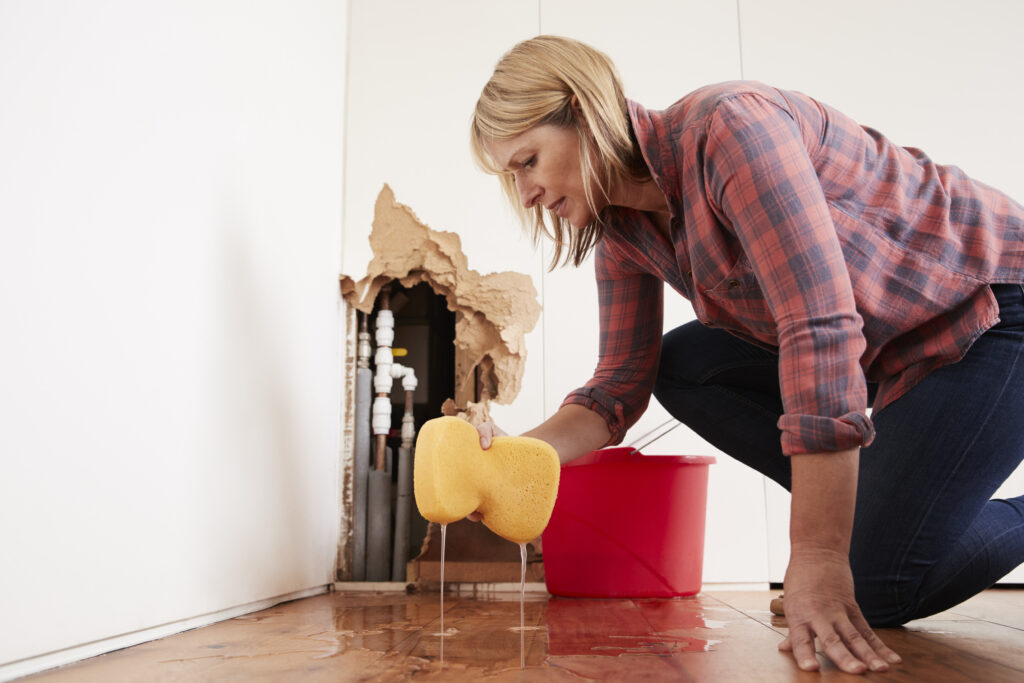
Water is one of the most destructive forces a homeowner can encounter. While a burst pipe in the middle of the kitchen floor creates an immediate emergency, it is the slow, hidden leaks lurking behind drywall and under floorboards that often cause the most extensive damage. Because these plumbing failures happen completely out of sight, they can go unnoticed for weeks, months, or even years.
By the time a hidden leak becomes glaringly obvious, the structural integrity of your home may already be compromised. Wood rot, ruined drywall, warped flooring, and toxic mold colonies are common byproducts of unresolved moisture. Fortunately, you do not need x-ray vision to detect these hidden threats. By learning how to interpret the subtle clues your house gives you, you can catch water leaks early, minimizing property damage and avoiding thousands of dollars in remediation costs.
The Subtle Visual Warnings on Drywall and Paint
Drywall is a highly porous material composed of gypsum plaster pressed between thick sheets of paper. Because it acts like a giant sponge, it is often the first indicator that a pipe behind the wall is leaking.
Discoloration and Staining
One of the earliest visual cues is the appearance of light brown, yellow, or water-stained patches on your walls or ceilings. These stains often start out small and circular, gradually expanding outward as the wood framing behind the drywall becomes saturated. If you notice a faint ring of discoloration that grows larger after a heavy rainstorm or after someone takes a shower, you are likely dealing with an active leak.
Changes in Texture
As drywall absorbs water, its structural integrity breaks down. This physical degradation manifests on the surface in several ways:
-
Bubbling or Peeling Paint: Water trapped between the drywall surface and the layer of paint will cause the paint to lift, blister, or peel away in sheets.
-
Warping and Sagging: Wet drywall loses its rigidity. You might notice a wall bowing outward, or a ceiling sagging downward under the weight of trapped water.
-
Crumbling Plaster: If you press gently on a suspected area and the wall feels soft, spongy, or crumbles easily under your fingertips, water has completely compromised the material.
Using Your Senses: Scent and Sound Clues
When structural elements are hidden from view, your eyes are not the only tools at your disposal. Paying close attention to unusual scents and sounds in your home can point you directly toward a plumbing failure.
The Tell-Tale Musty Odor
A persistent, earthy, or musty smell that refuses to go away despite deep cleaning is a classic sign of trapped moisture. When water leaks behind a wall, it creates a dark, stagnant, and humid environment. These are the exact conditions required for mold and mildew spores to thrive. If a specific room or closet consistently smells like a damp basement, a hidden pipe leak is a probable culprit.
The Sound of Running Water
In a quiet house, especially late at night when appliances are turned off, you should listen closely to your walls. If you hear a faint hissing, dripping, or rushing sound inside a wall cavity where no water is actively being used, a pipe may have pinhole damage or a failed joint.
Tracking Your Water Meter for Absolute Confirmation
If you suspect a leak but cannot find any physical evidence on your walls, you can use your home main water meter to confirm your suspicions. This simple diagnostic test determines whether water is escaping from your plumbing system anywhere on the property.
The Meter Test Step-by-Step
First, turn off every single water fixture inside and outside your home. Ensure that the washing machine, dishwasher, ice maker, and outdoor spigots are completely shut down, and instruct everyone in the house not to flush the toilets during the test.
Locate your main water meter, which is typically found in a concrete box near the street curb or inside the basement. Look closely at the meter dial. Many meters feature a small, sensitive low-flow indicator triangle or wheel that spins when even a tiny amount of water moves through the system.
If this indicator is moving despite all fixtures being off, you have a leak. If there is no visible indicator movement, write down the exact numerical reading on the meter odometer. Leave the water off and check the meter again after two to three hours. If the number has increased, water is actively escaping from your pipes.
+-------------------------------------------------------------+
|                                                             |
|                      [ IMAGE PLACEHOLDER ]                  |
|                                                             |
|   Description: A close-up view of a high-resolution          |
|   thermal imaging camera screen displaying a thermal        |
|   map of a residential interior wall, showing a distinct,   |
|   dark blue plume indicating moisture cold spots from       |
|   a hidden plumbing leak behind the drywall.                 |
|                                                             |
|   Dimensions: 1000px Width x 800px Height                  |
|                                                             |
+-------------------------------------------------------------+
Utilizing Advanced Leak Detection Technology
If you want to pinpoint the exact location of a leak before cutting open your drywall, you can utilize specialized diagnostic tools. Many tool rental centers supply these instruments, or you can hire a professional leak detection service.
Infrared Thermal Cameras
Thermal imaging cameras detect surface temperatures rather than visible light. Because water evaporating from drywall causes localized cooling, wet areas will appear as distinct dark blue or purple plumes on the camera screen, contrasting sharply with the warm red or yellow tones of dry walls. This technology allows you to locate the precise boundaries of a hidden leak without causing physical damage to the property.
Moisture Meters
A moisture meter features two sharp metal pins that you press slightly into the surface of the drywall. The tool measures electrical resistance to determine the moisture content of the material. By testing different spots along a wall, you can track the moisture gradient to find the highest concentration of water, which will lead you directly to the source of the plumbing failure.
Common Culprits: Where Hidden Leaks Start
Understanding where your plumbing infrastructure is most vulnerable can help you narrow down your search area when troubleshooting.
-
Shower and Tub Enclosures: The plumbing valves and drains behind shower stalls are frequent failure points. Failed tile grout or compromised silicone caulking can also allow water to seep behind the wall every time someone showers.
-
Appliance Supply Lines: The flexible water lines connecting your refrigerator ice maker, dishwasher, and washing machine can crack, kink, or loosen over time, dripping water directly into the wall cavities behind the appliances.
-
Window and Roof Flashings: Not all behind-wall leaks are plumbing related. Damaged roof shingles or degraded caulking around window frames can allow rainwater to penetrate the exterior siding and pool inside interior walls.
Frequently Asked Questions
What should I do immediately after confirming a hidden leak?
The very first step is to shut off the main water supply valve to your home to stop the flow of escaping water. Once the water is off, open the lowest faucets in your house to drain the remaining water out of the pipes. Next, take photographs of any visible damage for insurance purposes and call a licensed plumber to repair the pipe, followed by a professional water restoration company to dry out the structural framing.
Can a hidden water leak cause health problems?
Yes, a hidden leak can contribute significantly to respiratory health issues. Mold colonies can begin growing behind drywall within twenty-four to forty-eight hours of exposure to moisture. As the mold matures, it releases microscopic spores and mycotoxins into the indoor air supply. This can trigger severe allergic reactions, asthma attacks, sinus congestion, chronic coughing, and skin irritation in sensitive individuals.
Why did my water bill suddenly spike if I do not see any stains?
If your utility bill increases dramatically but your interior walls look completely dry, the leak may be located in an underground main water service line running beneath your front yard, or beneath the concrete slab foundation of your home. These are known as slab leaks. A professional leak detection specialist uses acoustic listening equipment to find the sound of underground pipe vibrations to locate these subterranean issues.
Will my homeowners insurance cover the cost of repairing a hidden leak?
Insurance coverage depends on the underlying cause of the plumbing failure. Most standard homeowners policies cover the cost of repairing the structural damage caused by a sudden, accidental water discharge, such as a pipe bursting unexpectedly. However, insurance companies routinely deny claims for damage caused by slow, continuous leaks that have gone unaddressed for months, as they classify this as a preventable maintenance issue.
Is it safe to just let a wet wall dry out on its own?
No, you should never allow a water-saturated wall to dry naturally. Wood framing and insulation trapped inside a closed wall cavity lack access to moving air and sunlight, meaning they will remain damp for weeks. This prolonged moisture guarantees the growth of black mold and invites wood-boring pests like termites, which are attracted to soft, decaying timber. The wall cavity must be opened, insulation removed, and commercial air movers deployed.
How do I distinguish between a plumbing leak and a roof leak?
The easiest way to differentiate between the two is to monitor the behavior of the water stain. A plumbing leak will generally drip or expand at a consistent rate regardless of weather conditions because the pipes are under constant pressure. A roof leak or exterior wall intrusion will only cause active dripping or expanding damp spots during or immediately after a heavy rainstorm or snowmelt cycle.