
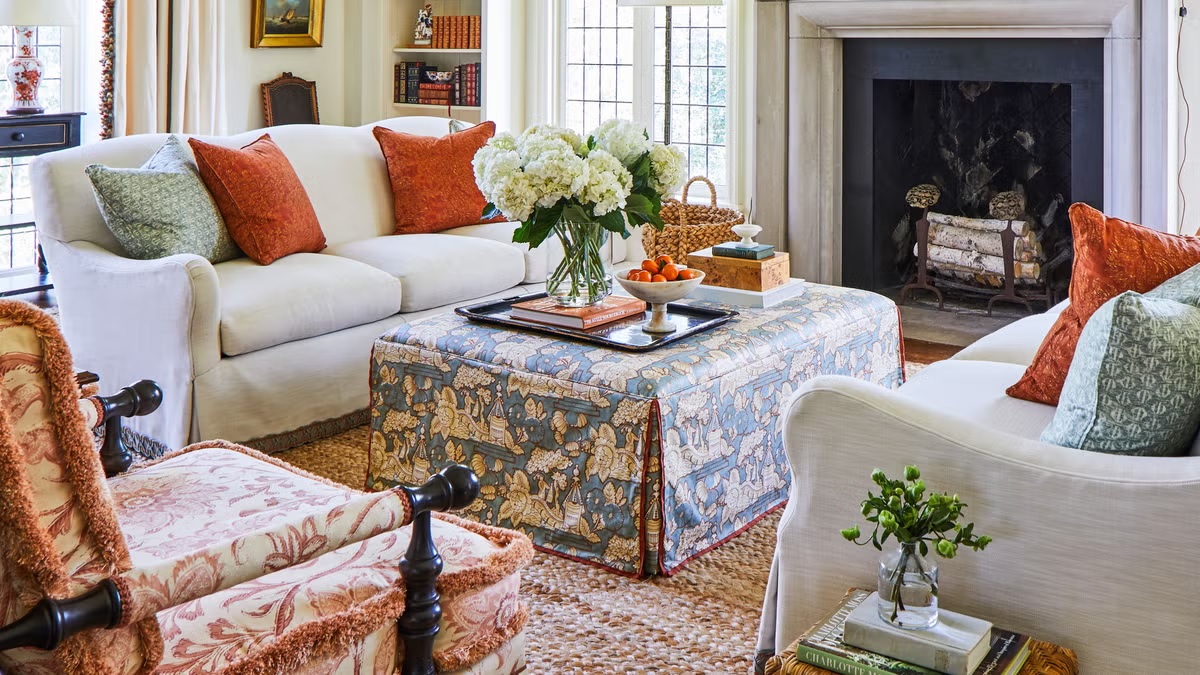
When it comes to creating a space that feels truly your own, few elements are as impactful as decor. The right decor can transform an ordinary room into a sanctuary, elevate a home’s personality, and imbue a sense of comfort and warmth. Whether you’re moving into a new home, redesigning a room, or simply looking to refresh your existing space, there are countless ways to incorporate style and functionality into your environment. Decor is not just about aesthetics; it’s about crafting a space that reflects your unique taste and lifestyle while offering a sense of harmony and balance.
Here are some thoughtful, expert-approved decor tips that will guide you in creating a space that feels both refined and inviting.
1. Start with a Strong Foundation: Color and Walls
Color sets the tone for the entire room and plays a crucial role in the mood and atmosphere of a space. When choosing colors for your decor, consider the function of the room. Light, neutral tones such as whites, beiges, and soft grays can make a room feel open and airy, while deeper tones like navy, charcoal, or emerald green can create a cozy, intimate environment.
If you’re unsure of where to begin, it’s often wise to start with the walls. A fresh coat of paint is one of the most transformative changes you can make. For a timeless look, you might opt for a classic shade of white or gray. Alternatively, for a more bold and dramatic effect, deep jewel tones or moody blues can bring an element of sophistication and drama to a room.
Accent walls are also a great way to introduce a pop of color or texture without overwhelming the entire room. Wallpaper, whether it’s a vibrant print or subtle texture, has made a comeback in recent years and can add personality and depth to any space.
2. Mix Textures for Depth and Interest
One of the most effective ways to bring a room to life is by mixing and layering different textures. By combining hard surfaces like wood, metal, and glass with soft, plush fabrics like velvet, linen, and cotton, you create a dynamic, inviting atmosphere. Textural contrast makes a room feel more tactile, engaging, and multidimensional.
For example, consider pairing a sleek, modern leather sofa with soft, knitted throw pillows or a rich wool rug. Adding layers of varying textures to your space invites both visual and physical comfort. You can experiment with combining smooth and rough surfaces, such as a marble countertop paired with a woven rattan chair or a soft fabric armchair against a brick wall.
Don’t forget about the power of textiles in your decor. Curtains, throw blankets, and cushions offer an easy way to introduce color and texture. Choose materials that align with the mood you want to create. Heavy drapes can add luxury and drama, while sheer, light fabrics create an airy and relaxed ambiance.
3. Embrace Minimalism with Statement Pieces
While it’s tempting to fill every corner of a room with decor, the true magic often lies in simplicity. The minimalist approach focuses on a few key pieces that stand out, rather than cluttering the room with too many items. One or two well-placed statement pieces—whether it’s a striking piece of art, an elegant chandelier, or an antique chair—can make a room feel purposeful and curated.
This doesn’t mean stripping the space bare, but rather selecting decor items that not only speak to your personal style but also serve as focal points. A large painting above a fireplace, a beautifully sculpted vase on a side table, or a statement mirror can add intrigue and sophistication to a space. These items don’t compete with each other, but rather allow the room’s layout and features to shine.
In a minimalist setting, less truly is more, and the goal is to create a sense of openness and tranquility while still incorporating pieces that reflect your taste.
4. Lighting: The Unsung Hero of Home Decor
Lighting has a transformative power that can change the entire feel of a room. It’s one of the most important elements in decor, yet often overlooked in terms of its impact. The right lighting can enhance colors, create mood, and even make a small space feel larger or more intimate.
Consider incorporating a variety of lighting sources, such as ambient, task, and accent lighting. Ambient lighting serves as the room’s general light source and can be achieved through ceiling fixtures, recessed lighting, or chandeliers. Task lighting, on the other hand, is more focused, offering illumination for specific activities like reading, cooking, or working. Desk lamps, pendant lights, and under-cabinet lighting are all excellent choices for task lighting.
For accent lighting, think of spotlights or wall sconces that highlight a piece of artwork, architectural features, or plant arrangements. In addition, dimmer switches offer flexibility, allowing you to adjust the brightness according to the occasion, whether you’re hosting a dinner party or enjoying a quiet evening.
Don’t overlook the power of natural light either. Strategically placed mirrors can help bounce natural light around the room, creating a sense of space and vibrancy.
5. Incorporate Nature for Balance and Serenity
Bringing elements of nature into your home is a powerful way to enhance its aesthetic while promoting a sense of calm and serenity. Plants, in particular, offer a burst of greenery that can freshen up a room and contribute to a more relaxing atmosphere. Whether it’s a tall indoor tree or a collection of small succulents, plants add texture, color, and life to any room.
Besides plants, natural materials such as wood, stone, and wicker can be incorporated into your decor to create an organic, grounded feel. Wooden furniture, stone vases, or even a natural wood accent wall can add warmth and depth, making the space feel more organic and connected to nature.
The soothing influence of nature can also be incorporated through nature-inspired patterns, such as floral prints, or through the use of soft, earthy tones. This biophilic approach to design not only enhances the room’s visual appeal but also promotes a sense of well-being and tranquility.
6. Personalize with Art and Accessories
While neutral colors and minimalistic design are elegant, it’s the personal touches that truly make a space feel like home. Art, photographs, and personal collections can infuse a room with individuality and character. A well-chosen piece of art has the power to anchor a room, evoking emotion and giving the space an instant focal point.
Don’t be afraid to mix styles—combine a classic painting with contemporary sculptures, or juxtapose modern photography with vintage frames. The key is to curate pieces that resonate with you personally, rather than choosing items based purely on trends. Your space should reflect your own story and interests.
Additionally, accessories like decorative trays, books, and vases are essential for bringing a sense of warmth and personality to a room. A tray on a coffee table, for instance, can be used to display candles, plants, or interesting books, adding both function and flair.
7. Don’t Forget About Scale and Proportion
Finally, it’s important to pay attention to the scale and proportion of furniture and decor items within the room. Oversized furniture can overwhelm a small space, while tiny pieces might look lost in a large room. Striking the right balance will ensure that your space feels both comfortable and visually pleasing.
For example, if you have a large sectional sofa, balance it with a larger rug and a few substantial coffee tables. In smaller rooms, opt for sleeker, smaller-scale furniture that doesn’t crowd the space but still offers plenty of functionality and style.
Conclusion
Decorating a space is an art form that combines creativity with practicality. It’s about harmonizing colors, textures, lighting, and personal elements to create a room that feels comfortable, stylish, and reflective of your personality. By following these decor tips, you can create a space that not only looks beautiful but also functions seamlessly, inviting you to relax and enjoy the environment you’ve curated. Whether you’re updating a single room or redesigning your entire home, a few thoughtful changes can make all the difference, transforming your space into a reflection of your taste and lifestyle.