
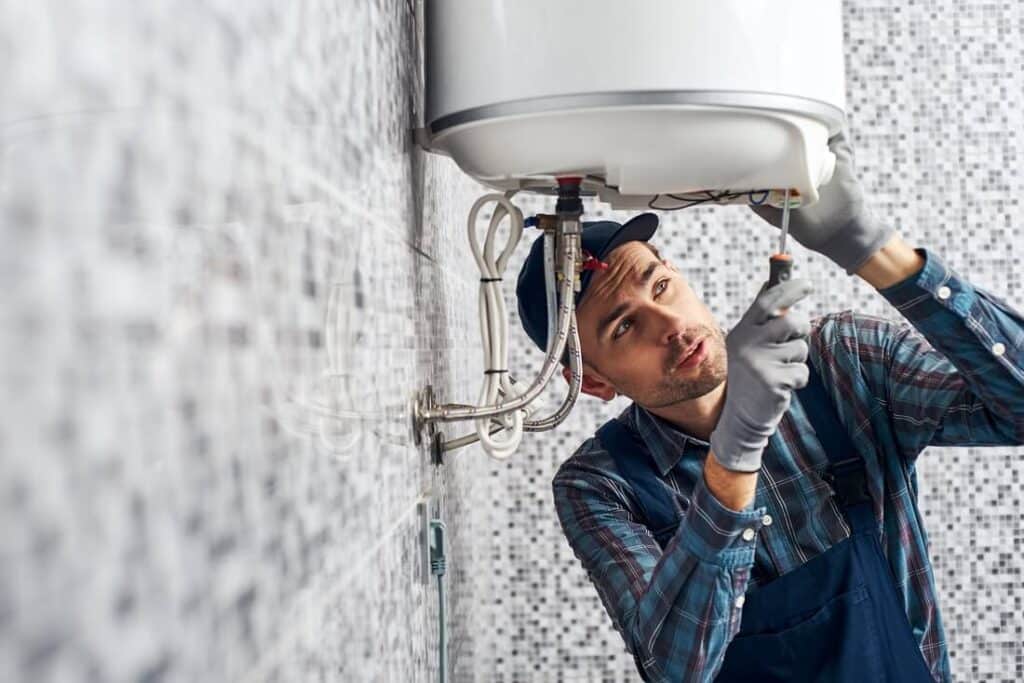
When a hot water supply begins to falter, homeowners are faced with a significant decision: attempt a repair on an existing system or invest in a full water heater replacement. This choice is rarely straightforward, as it requires balancing the immediate costs of fixing a minor component against the long-term efficiency and reliability benefits of installing newer equipment. Understanding the trade-offs involved can help residents of any region navigate these plumbing hurdles with greater confidence.
Assessing the Condition of Your Current Water System
Before deciding on a path forward, it is helpful to look closely at the current system to determine whether it is experiencing a routine performance dip or a sign of terminal failure. Many modern water heaters are built to last for a lengthy period, but local water conditions—such as mineral content or high acidity—can accelerate the wear on internal components.
A system that produces lukewarm water, makes loud popping noises during operation, or shows signs of exterior moisture often needs professional attention. If a homeowner finds they are frequently searching for a water heater repair service near me, it may be an indication that the underlying unit is nearing the end of its useful life. Routine maintenance, such as flushing the tank to remove sediment buildup, can sometimes extend the life of a unit that is otherwise structurally sound. However, if the tank itself is leaking or showing signs of significant corrosion, repair is often an ineffective temporary measure.
The Factors That Influence Repair vs. Replacement
Several practical considerations help tip the balance between fixing a current unit and opting for a total system upgrade.
- System Age and Reliability: If a unit is relatively young, a focused repair on a heating element, thermostat, or pressure relief valve is often the most sensible course of action. If the unit is advanced in years, the investment in parts may be better directed toward the purchase of a newer, more efficient model.
- The Cost-Efficiency Ratio: While repair costs are generally lower in the short term, they do not offer the modern efficiency improvements found in current technology. Newer units tend to be designed for lower energy consumption, which can be a key consideration for homeowners looking to manage their monthly utility expenses over the coming years.
- Safety and Standards: Older water heaters may lack modern safety features or fail to meet updated environmental expectations. A professional assessment can determine if a unit remains in compliance with safety practices or if it poses an increased risk of failure that could lead to property damage.
What to Expect During Professional Consultations
When seeking assistance from plumbing professionals, it is helpful to understand what a high-quality assessment entails. A technician should prioritize diagnosing the root cause of the performance issue rather than simply applying a quick fix.
A thorough professional evaluation typically involves testing the electrical or gas connections, checking the status of the sacrificial anode rod—a component that helps prevent interior tank corrosion—and evaluating the overall condition of the plumbing connections surrounding the heater. When you engage a professional for water heater replacement or diagnostic work, ask them to explain their findings clearly. A provider worth trusting will be able to show why a specific component has failed and discuss whether that failure is an isolated incident or a symptom of broader system degradation.
Considerations for Choosing a Provider
Not every plumbing situation requires the same level of intervention, and it is beneficial to work with experts who offer transparency. When evaluating potential service providers, consider their ability to provide clear explanations of the work proposed. A reliable professional will typically discuss the expected lifespan of any repairs performed and be upfront about the potential for further issues if the unit is significantly worn. They should also be prepared to offer advice on the benefits of different unit types—such as tankless versus traditional tank-style systems—based on the specific needs of your household.
Aligning Your Choice with Household Needs
The decision between repair and replacement is ultimately about matching your current plumbing situation with your goals for your home. Some homeowners prioritize the absolute lowest cost of intervention, while others prefer the peace of mind that comes with a new unit and its associated warranties.
If you have a high-demand household where hot water availability is a constant requirement, a new installation often provides a level of consistency that an aging, repaired unit cannot match. Conversely, if you plan to move in the near future or if your system is functioning well aside from a minor, easily addressed fault, a targeted repair can be an effective way to maintain the status quo.
As you navigate this process, remember that the most successful outcomes stem from gathering accurate information about your specific equipment. By asking detailed questions during an inspection and understanding the typical patterns of wear in your local area, you can make a choice that protects your home’s infrastructure while managing your budget effectively. Empowering yourself with this knowledge ensures that when you do commit to a course of action—whether it involves minor maintenance or a full system upgrade—it is a decision that aligns with your long-term goals for your property.