
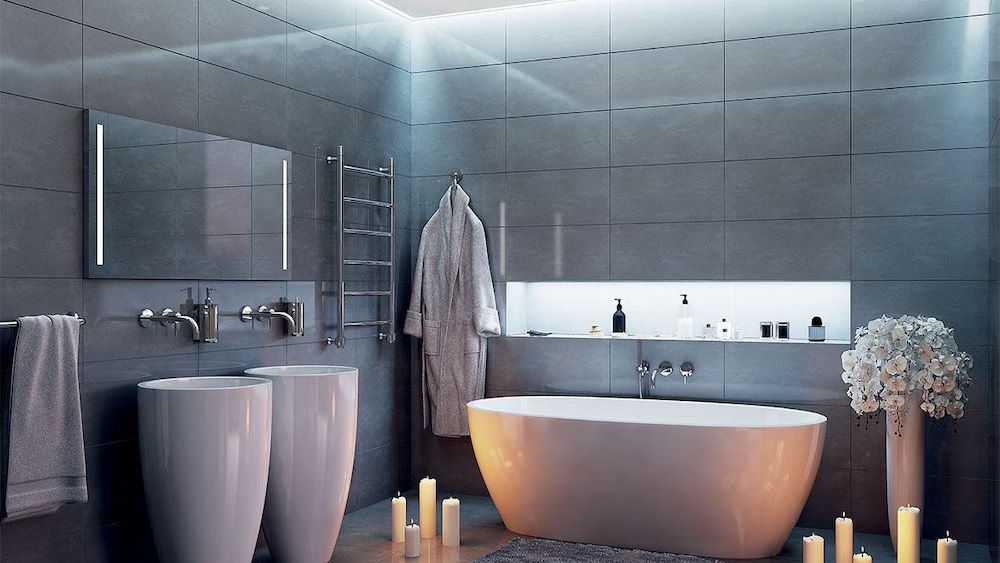
The bathroom, often relegated to the role of a utilitarian space, is arguably one of the most vital rooms in any home. While it may not garner the same attention as the kitchen or living room, its significance in daily life cannot be overstated. In fact, the bathroom is a sanctuary where we go to refresh, renew, and take care of our most basic human needs. It is a place of both solitude and renewal, where moments of reflection can occur amidst the simplicity of routine.
A bathroom is more than just a room with fixtures for hygiene; it is an intimate space that reflects a person’s lifestyle, design preferences, and even their mental state. The design and functionality of a bathroom speak volumes about the home itself. Whether it’s an elegant spa-inspired retreat or a minimalist haven for efficient use of space, a well-appointed bathroom provides not only comfort but also a sense of personal care and well-being.
Aesthetic Versus Practicality
One of the most intriguing aspects of bathroom design is the delicate balance between aesthetics and practicality. On one hand, the bathroom must fulfill its essential purpose: providing a clean and functional space for personal care. On the other hand, it is also an area of the home where design and style can flourish. For homeowners, striking this balance requires careful thought and consideration.
When designing or remodeling a bathroom, one must account for both practical elements such as plumbing, lighting, ventilation, and storage, as well as aesthetic components like color schemes, materials, and décor. For instance, the choice of flooring is critical. Ceramic tiles, for instance, are a popular choice for their durability and water resistance, but they can also be used creatively to add texture and color to the space. Marble and stone countertops, while luxurious and timeless, require a higher degree of maintenance but can turn an otherwise mundane bathroom into a stunning space.
Lighting plays a similarly significant role in bathroom design. It is not just about functionality but about creating a mood and atmosphere. Soft, ambient lighting works well for creating a calming, relaxing environment, particularly in a spa-like bath. Meanwhile, bright, focused lighting is essential around mirrors for tasks such as shaving or applying makeup. The incorporation of natural light is also highly desirable, as sunlight streaming through a well-placed window can add warmth and vitality to the space.
The Role of Innovation in the Bathroom
In recent years, innovation has transformed the bathroom from a purely functional space into one of luxury and convenience. Smart technology has made its way into every room of the home, and the bathroom is no exception. Modern toilets now feature heated seats, self-cleaning mechanisms, and even built-in bidets. Showers are equipped with digital controls that allow users to adjust temperature and water pressure with the touch of a button. Some systems are even connected to apps, enabling individuals to customize their shower experience before even stepping foot in the bathroom.
Another significant innovation is the advent of the walk-in shower. Once considered a luxury item for high-end homes, the walk-in shower has now become a practical and desirable feature in many households. It is particularly beneficial for individuals with mobility challenges, as it eliminates the need for stepping over a tub’s edge. A well-designed walk-in shower can create a spa-like atmosphere, with rainfall showerheads, body jets, and sleek glass partitions contributing to a sense of openness and airiness.
Bathtubs, too, have evolved. The classic freestanding tub has seen a resurgence in popularity, with modern designs focusing on comfort and elegance. Soaking tubs and whirlpools continue to be popular choices, allowing individuals to unwind and relieve stress in the privacy of their own homes. The trend towards relaxation in the bathroom has led to the rise of bathtub accessories, such as heated backrests, ergonomic headrests, and even waterproof speakers for an immersive experience.
Sustainability and the Bathroom
As concerns about environmental impact continue to grow, the bathroom has not been left untouched by the trend towards sustainability. With water consumption and energy efficiency at the forefront of eco-conscious minds, many homeowners are looking to reduce their ecological footprint in the bathroom. Low-flow toilets, energy-efficient lighting, and water-saving showerheads have become commonplace, offering both environmental benefits and cost savings.
Moreover, many bathroom manufacturers are now incorporating sustainable materials in their designs. Bamboo is an increasingly popular choice for cabinetry and countertops due to its fast growth rate and minimal environmental impact. Recycled glass, reclaimed wood, and natural stone are also making appearances in modern bathrooms, offering both a sustainable and visually appealing aesthetic.
The Psychology of the Bathroom
The bathroom serves a practical purpose, but it also plays a crucial role in our mental and emotional well-being. It is often in the bathroom where we can find moments of solitude in the chaos of daily life. Whether it’s a few minutes of peace in the morning before the day begins or a long soak in the tub after a stressful day, the bathroom offers a reprieve from the outside world.
This sense of sanctuary is not limited to functionality but also to the ambiance of the space. The colors used in a bathroom can have a profound impact on mood. Soft blues, greens, and neutral tones evoke feelings of calm and tranquility, while brighter hues like yellow or orange can stimulate energy and creativity. Aromatherapy is another way to enhance the sensory experience of the bathroom, with essential oils, candles, and bath products contributing to a spa-like atmosphere.
Moreover, the bathroom is often a place for self-reflection. It is where we examine ourselves, not just physically but also mentally and emotionally. Whether it’s standing in front of the mirror, preparing for the day, or simply relaxing in the bath, the bathroom becomes a space where one can both refresh the body and recalibrate the mind. It is a space for self-care, a practice that has gained increased importance in recent years as people place more value on mental and emotional well-being.
Conclusion
The bathroom, often seen as a purely functional space, holds a deeper significance. It is a room that provides both physical and psychological benefits. From the pursuit of comfort through design and innovation to the embrace of sustainability, the bathroom is ever-evolving. It remains a space of reflection, self-care, and even luxury, where individuals can connect with themselves, away from the pressures of the outside world. Whether it’s through the application of modern technology or a focus on materials and design, the bathroom has become far more than just a room for personal hygiene. It is a vital space that nurtures both body and mind, an integral part of the home that deserves careful attention and thoughtful design.