
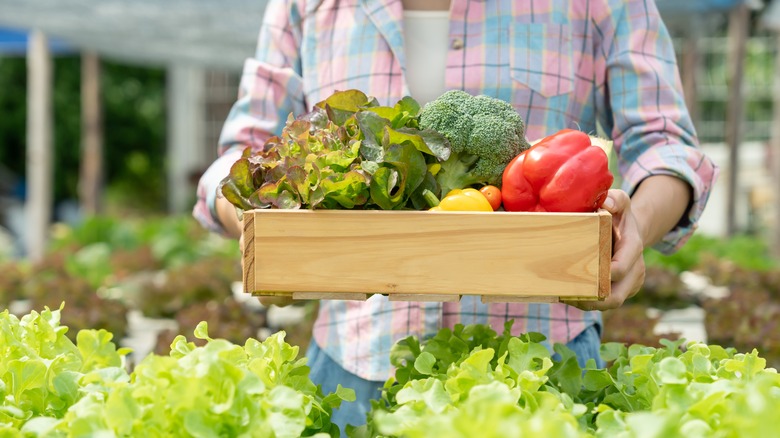
The desire to cultivate fresh, homegrown vegetables is stronger than ever, yet many urban and suburban residents face a common obstacle: a lack of traditional backyard space. High-rise apartments, townhomes with concrete patios, and small rental properties rarely offer the expansive plots of land required for a classic row garden. Fortunately, agricultural ingenuity has shifted the gardening paradigm. Instead of expanding outward across the ground, modern gardeners are looking upward.
Vertical gardening is a highly efficient agricultural technique that utilizes vertical space to maximize crop yields within a minimal footprint. By training plants to grow skyward using structures like trellises, towers, pockets, and stacked planters, you can transform a sun-drenched wall, balcony, or fence into a bountiful vegetable patch. This comprehensive guide outlines the fundamental mechanics of vertical gardening, highlights the best vegetables for small-space cultivation, and provides practical advice for sustaining a thriving elevated garden.
The Core Advantages of Growing Vertically
Shifting your garden from a horizontal plane to a vertical setup offers numerous structural and biological benefits that extend far beyond simply saving floor space.
Enhanced Air Circulation and Disease Prevention
Traditional ground gardens often suffer from poor air movement around plant base foliage. When damp leaves rest directly on wet soil, they become primary breeding grounds for fungal infections, powdery mildew, and bacterial blight. Elevating plants spreads their branches across a wider vertical plane, allowing a continuous flow of air through the foliage. This rapid evaporation of morning dew and irrigation water drastically reduces the risk of crop-destroying diseases.
Improved Pest Management and Harvesting Ergonomics
Ground-dwelling pests like slugs, snails, and cutworms have easy access to low-hanging fruits and vegetables. Raising your crops off the ground makes it significantly harder for these crawling pests to decimate your harvest. Furthermore, vertical gardening eliminates the need for hours of intense bending, kneeling, and squatting during maintenance and harvest times. Vegetables are positioned at waist or eye level, making gardening an accessible, physically comfortable hobby for individuals of all ages and physical abilities.
Choosing the Right Vertical Structure for Your Space
The type of vertical system you select depends largely on the architectural features of your living space, your available budget, and the specific crops you wish to cultivate.
Trellises and Arbors
Trellises are classic vertical structures made of wood, metal, or plastic latticework that lean against stable walls or stand independently in large containers. They are specifically designed to support vining plants that possess natural climbing mechanisms. Arbors span across pathways, allowing vining crops to climb up the sides and drape overhead, turning a functional walkway into a lush, edible canopy.
Stacked Planters and Planting Towers
For spaces without vertical wall support, such as the center of an open patio or balcony, vertical planting towers are ideal. These modular, freestanding structures feature nested tiers that stack vertically around a central drainage column. This layout allows you to grow dozens of individual plants within a single two-foot circular footprint, maximizing your soil volume and watering efficiency.
Pocket Wall Planters
Wall-mounted pockets made from heavy-duty, breathable felt fabric are perfect for covering bare fences or exterior apartment walls. The fabric pockets hold individual soil portions, providing excellent root aeration and drainage. These systems are lightweight and easily removable, making them a popular option for renters who need to dismantle their gardens at the end of a lease.
Selecting the Best Vegetables for Vertical Success
Not all vegetable varieties are suited for vertical growth. Heavy, sprawling crops like standard watermelons or giant pumpkins will snap structural supports under their own weight. To ensure success, you must select plants that naturally climb or small-stature crops that thrive in confined root environments.
Vining Crops for Trellises
-
Pole Beans and Peas: Sugar snap peas, snow peas, and pole beans are natural climbers that use tendrils to wrap around strings or wire mesh. They produce continuous harvests throughout the season and take up almost zero ground space.
-
Vining Tomatoes: Indeterminate tomato varieties grow continuously throughout the summer, reaching heights of eight feet or more. Training them up a single heavy-duty vertical twine or sturdy trellis results in cleaner fruit and easier harvesting compared to using traditional tomato cages.
-
Cucumbers and Small Squash: Standard vining cucumbers and small winter squash varieties like delicata or acorn squash adapt beautifully to vertical structures. As the fruit matures, the vertical position encourages straight growth and prevents the yellow belly spots that occur when cucumbers rest on damp soil.
Compact Crops for Tiered Systems and Pockets
-
Leafy Greens: Spinach, loose-leaf lettuce, kale, arugula, and Swiss chard have shallow root systems that thrive in small pockets or shallow stacked planters. They require minimal soil volume and can tolerate partial shade, making them perfect for lower tiers.
-
Radishes and Green Onions: These fast-growing root vegetables do not require deep soil beds. They can be tucked easily into small modular wall systems alongside herbs.
+-------------------------------------------------------------+
|                                                             |
|                      [ IMAGE PLACEHOLDER ]                  |
|                                                             |
|   Description: A bright, sunlit urban apartment balcony    |
|   featuring a lush vertical garden system. A dark metal     |
|   trellis holds climbing cherry tomato plants filled with   |
|   ripe red tomatoes, sitting alongside a three-tiered       |
|   stacked planter bursting with green lettuce and herbs.    |
|                                                             |
|   Dimensions: 1200px Width x 800px Height                  |
|                                                             |
+-------------------------------------------------------------+
Soil, Watering, and Nutrient Management
Vertical gardens operate under different environmental conditions than ground plots. Because container-bound soil is exposed to air on multiple sides, it behaves differently and requires attentive management.
Specifying the Ultimate Potting Mix
Never use standard backyard garden soil in a vertical planter or tower. Native topsoil is too dense, packs down tightly inside containers, and restricts the flow of oxygen to plant roots. It also lacks adequate drainage, leading to root rot. Instead, fill your vertical systems with a high-quality, lightweight potting mix formulated with peat moss, coco coir, perlite, and organic compost. This blend ensures excellent water retention while allowing excess moisture to drain away freely.
Mastering Irrigation Frequencies
Vertical containers dry out significantly faster than traditional garden beds due to solar heating of the container walls and increased exposure to wind. During the peak of summer, a vertical tower on a balcony may require watering twice a day. To maintain consistent moisture levels, consider installing a simple automatic drip irrigation system hooked up to a digital hose timer. This setup delivers small, precise amounts of water directly to the root zones without wasting moisture to evaporation.
Frequently Asked Questions
How do I support heavy fruits like melons or large squash on a vertical trellis?
When growing heavier vining crops like sugar baby watermelons or butternut squash vertically, you must provide supplemental structural support for the individual fruits so they do not snap off the vine. You can create customized fruit cradles or slings using stretchy materials like old nylon pantyhose, cheesecloth, or mesh netting. Tie the ends of the sling securely to the main trellis frame, allowing the fabric to cradle the weight of the expanding fruit as it matures.
Can I set up a vertical vegetable garden indoors if I do not have a balcony?
Yes, you can cultivate a successful vertical garden entirely indoors, provided you compensate for the lack of natural sunlight. Vegetables require a minimum of six to eight hours of direct light daily to produce fruit. To grow indoors, place your vertical tower or wall pockets in front of your brightest window and supplement the space with full-spectrum LED grow lights positioned on adjustable stands to ensure all vertical tiers receive equal illumination.
How do I prevent the top tiers of a vertical tower from drying out faster than the bottom tiers?
Gravity naturally causes water to migrate downward, which can sometimes leave the top pockets of a vertical planter dry while the bottom tiers remain saturated. To combat this uneven distribution, look for planting towers that feature built-in internal watering tubes or distribution basins at the peak. When watering, pour water directly into the central reservoir rather than onto individual plants. This design ensures a slow, regulated release that dampens all levels equally.
What are determinate versus indeterminate varieties, and why do they matter for vertical setups?
This distinction is highly critical when purchasing seeds or starter plants. Determinate plants grow to a specific, compact height, set all their fruit at once, and then stop growing, making them excellent choices for small individual pots or pockets. Indeterminate varieties continue to grow, branch, and produce fruit indefinitely until the first winter frost. Indeterminate varieties are the mandatory choice for tall wall trellises and arbors where you want the vines to climb extensively.
How do I secure a vertical garden structure against strong balcony winds?
High-altitude balconies are prone to sudden, severe wind gusts that can catch a top-heavy vertical planter and tip it over, damaging your crops and property. Always anchor your vertical structures firmly. Standalone trellises should be bolted directly to wall studs or heavy railing posts. For lightweight fabric wall pockets, ensure you use heavy-duty masonry anchors or toggle bolts. If using a freestanding tower, place heavy bricks or large river stones in the very bottom tier before adding soil to lower the center of gravity.
Do vertical gardens require more fertilizer than traditional ground gardens?
Yes, vertical container systems require more frequent fertilization than plants grown directly in the ground. Because container systems drain frequently, vital water-soluble nutrients are washed out of the soil potting mix over time. To keep your vertical crops productive, supplement the soil with a slow-release organic granular fertilizer during the initial planting phase, and follow up with a diluted liquid seaweed or fish emulsion nutrient solution every two weeks throughout the active growing season.