
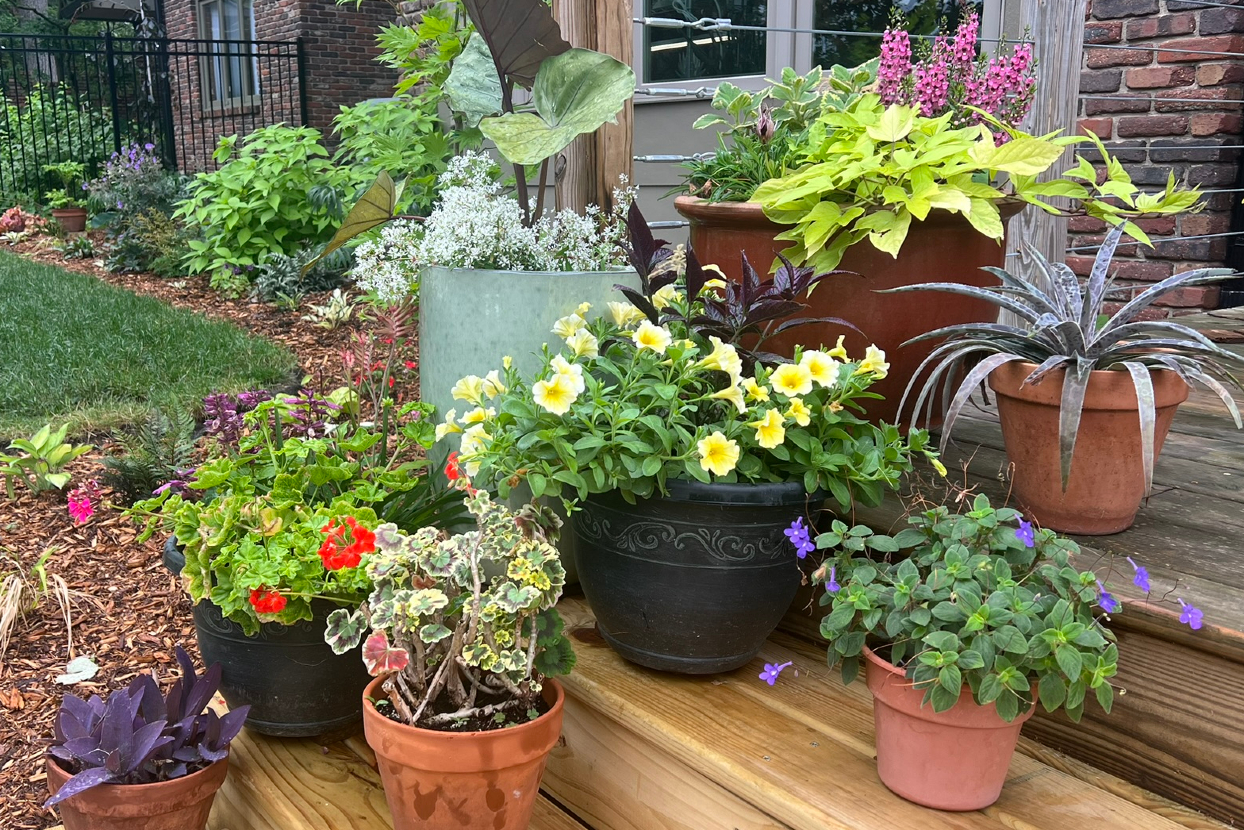
Urban living often means sacrificing a traditional backyard, but it does not mean you have to give up your green thumb. Container gardening allows apartment dwellers, condo owners, and anyone with limited outdoor space to cultivate a thriving oasis. Whether you have a sprawling suburban patio or a compact metropolitan balcony, growing plants in pots is an accessible, flexible, and highly rewarding way to bring nature closer to home.
By understanding the unique dynamics of small-space gardening and selecting the right plant species, you can transform bare concrete into a lush, productive sanctuary. This guide covers everything you need to know to get started, from essential container mechanics to the absolute best plants for small spaces.
The Fundamentals of Small Space Gardening
Before purchasing plants, it is crucial to understand that container gardening differs significantly from growing plants directly in the ground. Pots place artificial boundaries on root systems, and the soil environment is entirely dependent on your intervention. Success hinges on three core pillars: drainage, soil quality, and light assessment.
The Golden Rule of Drainage
The single most common cause of container plant failure is root rot, which occurs when roots sit in stagnant water. When purchasing pots, always check the bottom for drainage holes. If you find a decorative pot without holes, use it as a cachepot, meaning you keep the plant in a plastic nursery pot with drainage and place that entire unit inside the decorative container. Alternatively, use a drill with a masonry or plastic bit to create your own drainage holes.
Choosing the Right Growing Medium
Never fill your containers with ordinary garden soil. Garden soil is too dense, compacts easily in pots, and suffocates plant roots while trapping moisture. Instead, invest in a high-quality commercial potting mix. These blends usually contain a mix of peat moss, coconut coir, pine bark, and perlite or vermiculite. This composition ensures the medium remains lightweight, retains an appropriate amount of moisture, and allows oxygen to reach the roots.
Assessing Your Microclimate
Balconies and patios have distinct microclimates influenced by surrounding buildings, overhangs, and directional orientation. Before choosing plants, monitor your space for a few days to determine how many hours of direct sunlight it receives:
-
Full Sun: Six or more hours of direct sunlight daily. Usually found on south-facing or unshaded west-facing spaces.
-
Partial Sun or Partial Shade: Three to six hours of sunlight. East-facing spaces often get gentle morning sun, while west-facing spaces with partial obstruction get afternoon sun.
-
Full Shade: Fewer than three hours of direct sunlight. North-facing balconies or spaces heavily shaded by trees and neighboring structures fall into this category.
Best Plants for Sunny Patios and Balconies
If your outdoor space is drenched in sunlight for most of the day, you have an excellent environment for heat-loving flowers, Mediterranean herbs, and dwarf vegetable varieties.
Sun-Loving Flowers for Vibrant Color
-
Geraniums: These classic container plants thrive in hot, sunny conditions. They are highly drought-tolerant and bloom continuously from spring until the first frost.
-
Petunias: Known for their cascading growth habit, petunias are perfect for hanging baskets or the edges of railing planters. They require regular deadheading and consistent watering to maintain their prolific blooms.
-
Mandevilla: If you want to add vertical interest, this tropical vining plant produces large, trumpet-shaped flowers. It requires a small trellis or stakes to climb.
Culinary Herbs
-
Rosemary: A hardy perennial that loves baking in the sun. Rosemary prefers its soil to dry out completely between waterings, making it incredibly low-maintenance.
-
Basil: The ultimate summer herb. Basil thrives in warm temperatures and full sun, though it requires more frequent watering than rosemary to prevent wilting.
-
Thyme and Oregano: Both of these herbs have trailing tendencies, making them excellent ground covers in larger mixed containers or independent residents of smaller pots.
Compact Vegetables
-
Cherry Tomatoes: Traditional tomato plants get too large for standard balconies, but dwarf or determinate cherry tomato varieties like Tiny Tim or Tumbling Tom are bred specifically for pots.
-
Snack Peppers: Both sweet and hot pepper varieties possess compact root systems and love the heat generated on sunny balconies.
Best Plants for Shady Patios and Balconies
Shade can feel limiting, but it offers an opportunity to create a serene, woodland-style retreat focusing on rich textures, varied foliage shapes, and elegant blooms.
Foliage-Forward Staples
-
Hostas: While typically grown in garden beds, hostas adapt beautifully to containers. Their broad, patterned leaves create instant architectural interest in dark corners.
-
Caladiums: These tropical plants are grown for their spectacular, heart-shaped leaves featuring vibrant combinations of white, pink, and green. They love moisture and total protection from harsh afternoon sun.
-
Ferns: The Boston fern, painted fern, and autumn fern all thrive in the humid, shaded microclimate of a balcony. They add a delicate, feathery texture to your layout.
Shade-Tolerant Blooms
-
Fuchsias: Ideal for shady hanging baskets, fuchsias produce intricate, dangling flowers that resemble teardrops or pendulous earrings. They are highly attractive to hummingbirds.
-
Begonias: Tuberous and wax begonias perform exceptionally well in low-light environments, offering bright pops of red, pink, white, and yellow without requiring direct sun.
-
Coleus: While technically grown for its foliage rather than its flowers, coleus provides unmatched color variety in the shade, with leaves ranging from chartreuse to deep burgundy.
Essential Container Care and Maintenance
To keep your small-space garden thriving throughout the growing season, you must adapt your maintenance routine to the specific challenges of container living.
Mastering the Watering Schedule
Containers dry out much faster than garden beds because the air circulates around the entire vessel, evaporating moisture from all sides. During the peak of summer, shallow containers or terracotta pots may require watering twice a day.
-
Always test the soil manually by inserting your index finger two inches deep into the mix. If it feels dry, water thoroughly until water runs out of the drainage holes.
-
Water early in the morning to minimize evaporation and give plants the hydration they need to withstand the midday heat.
Fertilizing for Success
Because potting mix is sterile and highly porous, routine watering quickly leaches out essential nutrients. Your plants will exhaust the built-in fertilizer in commercial potting soil within four to six weeks.
-
Apply a balanced, water-soluble fertilizer every two weeks during the active growing season.
-
Alternatively, mix slow-release granular fertilizer pellets into the soil at the time of planting to provide a steady supply of nutrients over several months.
Frequently Asked Questions
Can I reuse potting soil from last year for my new container plants?
It is not recommended to reuse potting soil completely. Over a season, the soil loses its structure, becomes compacted, and is depleted of all nutrients. It can also harbor overwintering pests and fungal diseases. If you want to recycle old soil, mix it at a fifty-fifty ratio with fresh potting soil and compost, or use the old soil at the bottom of very deep containers where roots will not reach.
What container materials are best for outdoor balconies?
Terracotta is beautiful and breathable but porous, meaning soil dries out quickly, and it can crack in freezing winter temperatures. Plastic and resin containers are lightweight, retain moisture well, and are highly durable, making them ideal for balconies where weight limits are a concern. Fabric grow bags are excellent for root health and drainage but require more frequent watering.
How do I protect my balcony plants from strong winds?
Wind is a major challenge for high-rise balconies. To protect your plants, choose heavy, wide-based containers made of resin or ceramic that are less likely to tip over. Group your pots together to create a supportive microclimate, and choose flexible, low-profile plants like ornamental grasses or ivy rather than tall, brittle flowers that can snap easily.
Can I leave my container plants outside during the winter?
It depends on your climate zone and the plant species. Annuals will die off and should be discarded. Perennials, shrubs, and trees can survive if they are hardy to two zones colder than your local climate, as container roots lack the insulation of the ground. For protection, wrap pots in burlap or bubble wrap, bubble-insulate the base, or move them indoors to an unheated garage or basement.
Why are the leaves on my container plants turning yellow?
Yellow leaves are most frequently a sign of overwatering or poor drainage, which suffocates the root system. If the soil feels muddy, let it dry out completely. If the soil is not overly wet, yellowing leaves can also indicate a nitrogen deficiency, signaling that it is time to apply a balanced liquid fertilizer.
How do I prevent pests from invading my patio garden?
Check your plants weekly for signs of common pests like aphids, spider mites, or fungus gnats. Treat infestations early by spraying the foliage with insecticidal soap or neem oil. To prevent fungus gnats, avoid overwatering and keep the top layer of soil free of decaying leaves and organic debris.
Visualizing Container Design
To help visualize how to arrange your new container garden, study the layout below which showcases an ideal balance of height, texture, and color placement for a small outdoor space.