
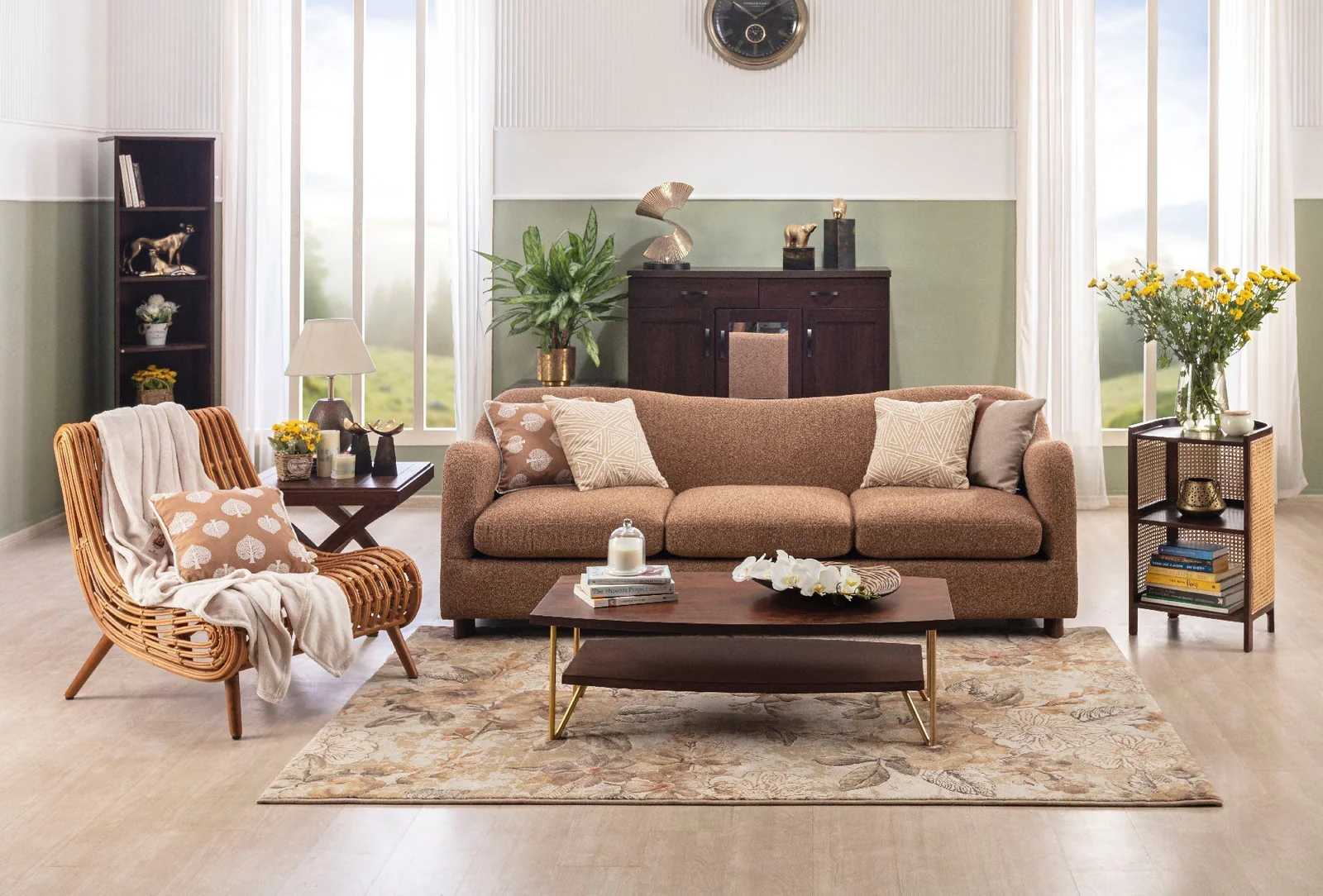
The living room serves as the true heart of the modern home. It is a multifunctional space where families gather to unwind, friends catch up over drinks, and individuals find quiet moments to read or rest. However, a living room can only fulfill its potential if the furniture is arranged with intention. Many homeowners inadvertently sabotage their spaces by pushing all the furniture against the walls or positioning seating options too far apart. These layouts create an environment that feels disconnected, awkward, and cold.
Designing a living room that boasts both excellent traffic flow and an intimate atmosphere for conversation is an achievable art. By understanding a few basic principles of interior architecture, spatial awareness, and human psychology, you can transform your living room into an inviting sanctuary. The following comprehensive guide outlines the essential steps and strategies required to master your living room layout.
Establish a Clear Focal Point
Every successful room arrangement begins with a designated focal point. This is the feature that naturally draws the eye when someone steps into the space. Without a clear anchor, a room feels chaotic, and furniture placement will lack a sense of purpose.
Common Types of Focal Points
-
Architectural Features: A beautiful fireplace, a large picture window with an outdoor view, or built-in bookshelves can instantly serve as the room centerpiece.
-
Entertainment Elements: In many contemporary households, a large television or a home media console acts as the primary focal point.
-
Artistic Statements: A massive piece of artwork, a vibrant accent wall, or a striking piano can also anchor a room design successfully.
Once you have identified your focal point, the primary seating pieces should be arranged to relate to it. For example, if you have a fireplace, your main sofa can face it directly. If you have both a fireplace and a television, placing them on adjacent walls allows you to arrange seating that accommodates both viewing angles comfortably.
Prioritize Traffic Flow and Pathways
Flow refers to the ease with which people can move through a room. A living room with poor flow requires individuals to squeeze past tight spaces, navigate a maze of tables, or interrupt someone else view of the television just to cross the room.
Rules for Seamless Movement
-
Keep Entryways Clear: Ensure that the immediate path leading into the living room is completely unobstructed. Avoid placing large armchairs or bulky side tables near doorways.
-
Maintain Adequate Clearance: Leave at least thirty to thirty-six inches of walking space between major furniture pieces. This ensures that two people can pass each other comfortably without bumping into things.
-
The Coffee Table Distance: Position coffee tables roughly fourteen to eighteen inches away from the edge of the sofa. This leaves enough legroom for guests while keeping drinks within easy reach.
-
Establish Direct Walking Paths: Identify how people move from the living room to nearby spaces like the kitchen or hallway. Keep these transit lanes straight and open, directing foot traffic around the main seating group rather than directly through the middle of it.
Optimize Seating for Intimate Conversation
A successful conversational layout brings people close enough together that they can speak at a normal volume without straining their voices. It also allows everyone to make eye contact comfortably without craning their necks.
Creating a Conversation Ring
To foster socialization, think of your seating arrangement as an open circle or a gentle U-shape. The ideal distance between conversational seats is between eight and ten feet. Anything farther apart forces people to shout, while anything closer can feel claustrophobic.
If you have a massive living room, do not try to stretch one furniture set across the entire space. Instead, divide the room into separate zones. You can create one primary conversation ring around the fireplace and a smaller secondary zone in a corner featuring a pair of comfortable reading chairs and a small bookcase.
Float the Furniture
One of the most common design mistakes is pushing every sofa and chair flat against the perimeter walls. This technique actually makes a room feel smaller and accentuates the distance between people. Instead, try floating your furniture. This means pulling your seating at least a few inches, or even several feet, away from the walls toward the center of the room. Floating creates a cozy, nested atmosphere and opens up valuable perimeter pathways for foot traffic.
Select and Balance the Scale of Furniture
A harmonious living room relies heavily on visual balance. Mixing furniture of vastly different heights, weights, and sizes can make a room feel lopsided and visually unsettling.
Achieving Proper Proportion
-
Vary Seating Types: Pair a large, heavy sofa with two lighter, leggy accent chairs. This keeps the room from looking too heavy on one side.
-
Distribute Visual Weight: Avoid placing all your large furniture on one side of the room. If your sofa sits on the left wall, balance it by placing two substantial armchairs or a large media console on the right side.
-
Consider Room Height: In a living room with tall ceilings, low-profile furniture can look lost. Use taller elements like high-back chairs, floor-to-ceiling drapery, or tall plants to draw the eye upward and bridge the vertical gap.
Define Zones Using Area Rugs
Area rugs are not just decorative accessories; they are powerful spatial tools used to define boundaries within an open-concept home. A rug tells the eye exactly where a specific functional zone begins and ends.
Finding the Right Rug Size
An undersized rug is a common decor pitfall that disrupts the visual flow of a room. When choosing a rug for your conversational zone, aim for a size that allows all the furniture legs to sit on top of it. If that is not possible due to space constraints, ensure that at least the front legs of every major seating piece rest securely on the rug. This unifying technique binds the individual furniture items together into a cohesive, intentional group.
Layer Lighting for Atmosphere and Function
Proper lighting placement can profoundly influence how people interact in a room. Harsh overhead lighting can make people feel exposed and rushed, whereas warm, layered lighting encourages relaxation and long conversations.
The Three Layers of Light
-
Ambient Lighting: This is the general overhead illumination, such as recessed cans or a central chandelier, which provides basic visibility.
-
Task Lighting: Specific lights positioned next to functional areas, such as a reading lamp beside an armchair or a desk lamp on a side table.
-
Accent Lighting: Sconces, picture lights, or LED strips placed behind media units that highlight architectural features and create depth.
To maximize conversation and flow, position table lamps and floor lamps next to seating areas so that guests have sufficient light without staring directly into a bare bulb. Use dimmers on your ambient lights to adjust the mood as evening approaches.
Frequently Asked Questions
What should I do if my living room is long and narrow?
Long and narrow living rooms can easily feel like a bowling alley if not handled correctly. The best approach is to divide the space into two distinct functional zones. You can place the primary conversation set on one side of the room and set up a secondary area, such as a small home office desk, a kids play corner, or a cozy reading nook, on the other end. Use separate area rugs to visually distinguish these two zones.
How do I arrange furniture if the living room contains multiple doors?
When dealing with multiple entryways, your primary goal is to ensure that walking paths remain entirely clear. Map out the most direct lines from door to door, and keep those lines clear of furniture. Arrange your seating cluster completely outside of these traffic paths, creating a dedicated island of relaxation that foot traffic can move around seamlessly.
Can I use a sectional sofa in a small living room?
Yes, a sectional can actually work beautifully in a small space, provided it is scaled appropriately. Instead of cluttering a small room with a separate sofa, love seat, and chair, a single streamlined sectional can provide ample seating without breaking up the visual flow. Look for sectionals with low profiles, clean lines, and raised legs that show a bit of floor underneath to keep the space feeling open.
Where is the best place to position a coffee table?
A coffee table should be placed directly in the center of your primary seating group. It should sit roughly fourteen to eighteen inches away from the surrounding sofas and chairs. This distance ensures that people can walk around it easily without tripping, yet it remains close enough for individuals to set down a cup of coffee or a book without leaning forward excessively.
How do I handle a corner fireplace when placing furniture?
A corner fireplace can be tricky because it sits at an angle to the rest of the room. The most effective strategy is to arrange your furniture on a diagonal that mimics the angle of the fireplace. Place your main sofa parallel to the corner fireplace, and use floating accent chairs to fill in the sides of the conversational circle. This creates a cozy, integrated look rather than fighting the room geometry.
What is the ideal height for a television in the living room?
For optimal viewing comfort and neck safety, the center of your television screen should sit at the eye level of a person who is seated. For the average sofa, this means the center of the screen should be roughly forty-two inches from the floor. Avoid mounting televisions high above a fireplace mantle unless you are able to use a specialized drop-down mount that lowers the screen during use.